Top Abaya Shops to Visit in abaya mall ajman
Thinking about buying an abaya in Ajman but not sure where to begin? While Dubai’s famous souks are on every tourist map, many local shoppers know a better-kept secret lies just a short drive away. This guide will show you why the Ajman abaya market offers a unique advantage, helping you find a beautiful, high-quality piece without the overwhelming crowds or premium price tags.
✨ Check Out Our Latest Abayas ✨
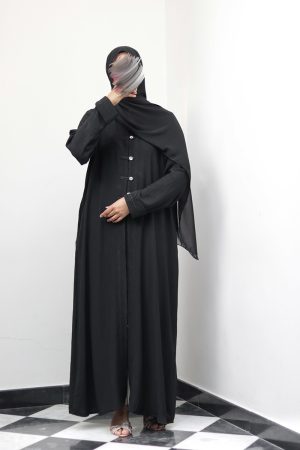
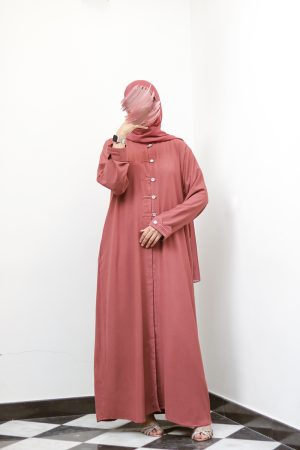
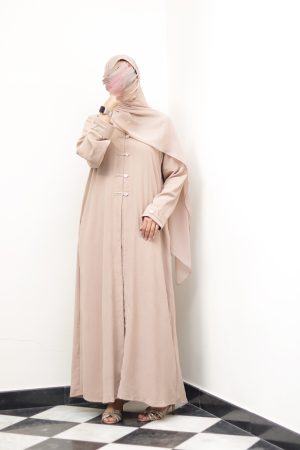
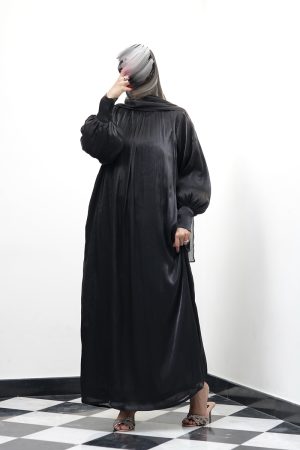
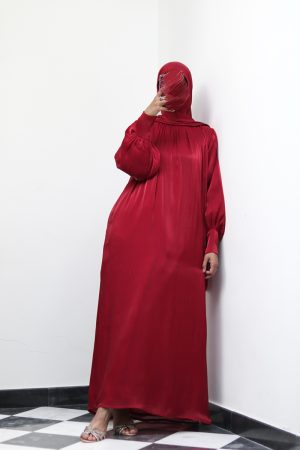
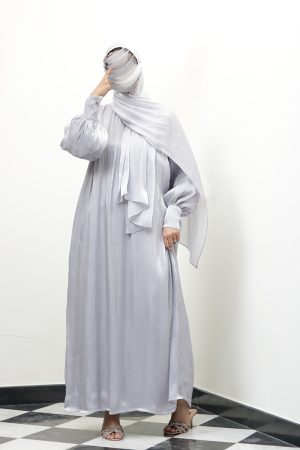
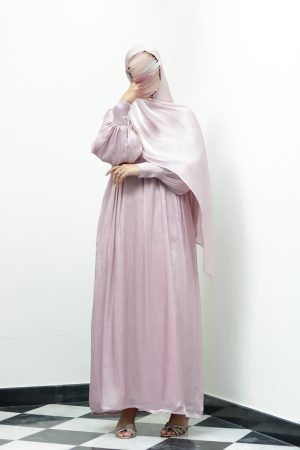
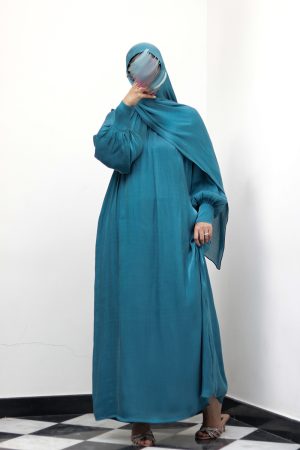
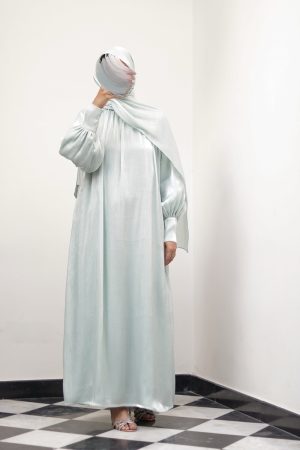
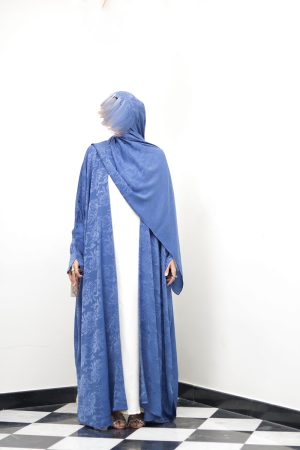

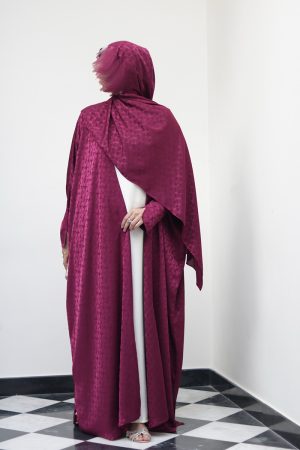
So, what makes the experience different? Think of it like shopping at a brand’s main factory outlet versus its fancy downtown boutique. Many shops in Ajman are actually workshops where the abayas are designed and stitched. Buying here often means you’re purchasing directly from the source, cutting out the middleman and gaining access to what feels like wholesale prices. This direct link from maker to buyer is Ajman’s secret sauce for affordability.
This Ajman abaya market vs Dubai souks comparison highlights three key benefits for you as a shopper:
- Better Value: Find affordable abayas in Ajman with prices that are often significantly lower for the same quality.
- Authentic Experience: Navigate a less tourist-focused environment where you’re shopping alongside locals.
- On-Site Customization: Take advantage of direct access to tailors in these workshop-style shops for quick, perfect-fit alterations.
How to Choose the Right Abaya Fabric: A Simple Feel Test
When you step into an Ajman abaya shop, one of the first things you’ll notice is the difference in how the fabrics look and feel. Think of it like choosing between a durable cotton t-shirt for daily errands and a silk dress for a wedding; the material defines the purpose. The two most common and important fabrics you’ll encounter are Crepe and Nida, and the best way to understand them is simply by touch.
For a practical, everyday abaya, Crepe is the go-to choice. Run your hand over it, and you’ll feel a slightly textured, almost matte surface. This material is popular for a reason: it’s durable, doesn’t wrinkle easily, and holds its shape well, making it a fantastic, low-maintenance option for regular wear. If you’re deciding on how to choose the right abaya material for frequent use, you can’t go wrong with crepe’s reliability.
✨ Check Out Our Latest Abayas ✨
In contrast, if you’re looking for an abaya for a special occasion or a more formal look, you’ll want to find one made from Nida. This premium fabric is immediately recognizable by its silky, smooth feel and a subtle, elegant sheen. Nida is incredibly soft and drapes beautifully, creating a graceful, flowing silhouette as you move. Its sophisticated finish makes it perfect for dinners and events, and as one of the most popular lightweight abaya fabrics for summer, it feels wonderfully cool against the skin.
Ultimately, your decision comes down to how you plan to wear your abaya. Do you need a resilient garment for daily life, or an elegant piece for a memorable evening? Once you’ve settled on the feel of the fabric, you can start exploring the different cuts and designs, which is the next exciting step in finding an abaya that’s uniquely yours.

✨ Check Out Our Latest Abayas ✨
What Are the Main Abaya Styles? A Visual Guide
Beyond the fabric, the shape or “cut” of an abaya is what defines its character. While the variations are endless, most designs fall into a few main categories. Understanding them will help you quickly spot the ones you like and explain your preference to the shopkeeper. You don’t need to be an expert; just knowing the basics will make your shopping experience much smoother.
The most timeless silhouette you’ll encounter is the Classic or Saudi style. As you can see in the first example, this is a straightforward, straight-cut garment that falls directly from the shoulders. It’s simple, elegant, and always in fashion. In contrast, the Butterfly style, shown next to it, offers a more dramatic and flowing look. It gets its name from its very wide sleeves, which are attached to the body of the abaya to create a beautiful, cape-like effect when you move your arms. These two are great examples of traditional black abaya styles.
For those seeking something with a bit more personality, the world of Modern or Designer abayas opens up. These styles often play with the traditional form, incorporating features like belts to create a more defined waist, using different colors, or adding unique embroidery and structured shoulders. These modern Emirati abaya designs reflect the latest abaya trends in UAE and are perfect for making a subtle fashion statement.
✨ Check Out Our Latest Abayas ✨
Knowing these three basic categories—Classic, Butterfly, and Modern—is incredibly empowering. It gives you the vocabulary to point to a style you’re drawn to or to ask a shopkeeper if they have more options with a specific cut. With your ideal fabric and style now in mind, you’re ready for the most exciting part: stepping inside the shop.

Your First Time in an Ajman Abaya Shop: What to Expect
Stepping inside an abaya shop in Ajman for the first time, you’ll be surrounded by racks of beautiful garments. The first thing to know is that abaya sizing is different from what you might be used to. Instead of small, medium, or large, they are sized by length in inches (e.g., 52, 54, 56). The fit is intentionally loose, so length is the most important measurement. A great tip is to hold the abaya up to your shoulder; the hem should fall around your ankle, just above the floor, so you don’t trip.
✨ Check Out Our Latest Abayas ✨
Once you have an abaya that seems to be the right length, give it a quick quality check. Just like you’d inspect a new coat, you can learn a lot in a few seconds.
- Check the Hem: Is the bottom edge straight and neatly sewn?
- Check the Stitching: Look at the seams on the sleeves and sides. They should be clean and tight, with no loose threads.
- Check Embellishments: If there are crystals or beads, gently run your hand over them. They should feel securely attached, not glued on.
Before you decide, confirm what’s included. Nearly all abaya with matching sheila sets come with a long, rectangular headscarf known as a shayla. This matching piece is almost always part of the package and included in the price. Now that you’ve found a quality abaya that fits perfectly, the final question is about cost.
How Much Should You Pay? A Guide to Prices and Bargaining
So, what’s a fair price? In Ajman, you’ll find a wide range that makes it one of the best places for abaya shopping in the UAE. For a simple, well-made everyday abaya, expect to pay between 150 to 250 AED (approx. $40-$70 USD). If you’re eyeing something with more intricate embroidery, crystals, or a luxurious fabric for a special occasion, the price might climb to 300 to 500 AED ($80-$135 USD) or more. One of the best things about shopping here is finding affordable abayas in Ajman without sacrificing style.
✨ Check Out Our Latest Abayas ✨
In many of the smaller, independent shops, especially in the bustling souqs, the initial price you hear is often just a starting point. This is where the friendly art of bargaining comes in. Don’t be shy—it’s a normal and often expected part of the shopping experience, and it’s meant to be a lighthearted exchange, not an argument. Thinking of it as a polite conversation about price is the best way to approach it.
The process is simpler than you might think. After you’ve been given a price, you can smile and politely offer a slightly lower figure. Suggesting around 15-20% less is a good, respectful starting point. The shopkeeper will likely come back with a counteroffer somewhere between their original ask and your offer. This “happy middle” is usually the final, fair price, and reaching it with a friendly attitude is key.
However, it’s good to know this doesn’t apply everywhere. In the larger, modern boutiques you might find in a mall, prices are typically fixed, just like in a department store back home. Whether you explore the abaya prices in Ajman souq or a chic boutique, there’s another incredible service many shops offer. What happens if the abaya is the perfect style but just a little too long?
✨ Check Out Our Latest Abayas ✨
The Secret Weapon of Ajman Shops: On-the-Spot Tailoring
That common sizing dilemma—finding the perfect style in a length that’s just a bit too long—is where the magic of shopping in an abaya shop Ajman truly shines. Unlike most clothing stores you might be used to, the vast majority of abaya shops here have an in-house tailor. This isn’t a service you have to come back for days later; alterations are often done right on the spot. You can pick out your abaya, have your length measured, and within 10-20 minutes, walk out with a garment that fits you perfectly.
Beyond just the length, these abaya alteration and tailoring services are one of the best parts of the local shopping experience. For a simple hem, most shops won’t even charge you extra—it’s considered part of the service. This incredible convenience means you don’t have to worry about finding the exact right size off the rack. Instead, you can focus on the style and fabric you love, knowing that a professional tailor is ready to make it fit as if it were made just for you.
This personal touch even extends to small customizations. If you find your abaya tends to fall open as you walk, don’t hesitate to ask the tailor to add a few discreet snap buttons down the front for a more secure closure. This level of service is what makes finding even simple, custom-made abayas in Ajman feel so accessible and satisfying. Now that you know a perfect fit is guaranteed, let’s explore the best places to begin your search.
✨ Check Out Our Latest Abayas ✨

Where to Go: A Quick Guide to Shops in and around Abaya Mall Ajman
While a place like Abaya Mall Ajman gathers dozens of vendors under one roof, the shops themselves fall into a few distinct categories. Knowing which type of store to walk into can make all the difference in finding what you’re looking for, whether it’s a bargain or a high-fashion piece. This simple breakdown will help you target the right shops for your style and budget.
First, you have the traditional, souq-style shops. Picture abayas stacked high, a bustling atmosphere, and owners ready for a friendly chat. These are often the best abaya shops in Ajman for classic designs and the thrill of bargaining for a great price. If you’re after an authentic, everyday ajman abaya and enjoy the treasure-hunt experience of sifting through racks to find a hidden gem, this is your ideal starting point.
✨ Check Out Our Latest Abayas ✨
For those seeking more contemporary or designer-inspired styles, the modern boutiques are a perfect fit. These shops feel more like the clothing stores you’re used to, with carefully curated collections displayed on mannequins. The quality is often a step up, featuring unique fabrics and intricate details, but prices are typically fixed. This is where you’ll find trendier cuts, fashionable colors, and elegant statement pieces for special occasions.
Finally, you’ll notice larger, warehouse-style operations that are essentially wholesale outlets. While their main business is selling in bulk—it’s a thriving market with many an abaya shop for sale in Ajman getting its start here—they will often sell individual pieces at rock-bottom prices. The trade-off is less personalized service, but for the absolute lowest cost, they can’t be beaten. Understanding these three shop styles helps you navigate the landscape with confidence.
Your Ajman Abaya Shopping Plan: A 4-Step Recap
Walking into an abaya shop in Ajman no longer has to feel intimidating. Where you once saw a sea of black fabric, you can now spot the difference between silky Nida for an event and durable Crepe for daily wear. You’re ready to step inside, not just as a visitor, but as a confident and informed shopper.
✨ Check Out Our Latest Abayas ✨
To make your trip to shop for an abaya in Ajman a total success, just keep this simple 4-step plan in your back pocket:
- Decide: Daily Wear (Crepe) or Formal (Nida)?
- Find Your Style: Classic, Butterfly, or Modern?
- Check the Fit & Quality: Perfect length, solid stitching.
- Agree on a Price: Know the range and bargain politely.
You’re not just prepared to buy an abaya in Ajman; you’re ready to enjoy the experience. See each shop as an opportunity to find a unique, beautiful garment you’ll treasure. You’ve got this. Happy shopping.