The Significance of the White Hijaab
The white hijaab is much more than just a piece of clothing. It carries profound significance and represents a myriad of meanings and styles in various cultures and traditions. As an emblem of modesty, purity, and spiritual reflection, the white hijaab is embraced by many women around the world. This article explores its importance, its place in fashion, and how it has become a symbol of both religious adherence and personal expression.
✨ Check Out Our Latest Abayas ✨
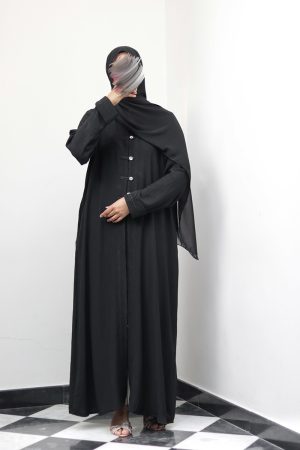
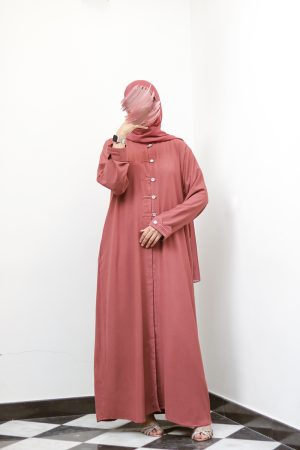
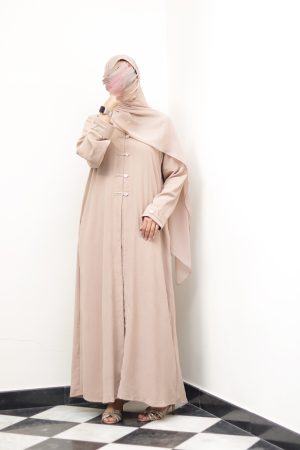
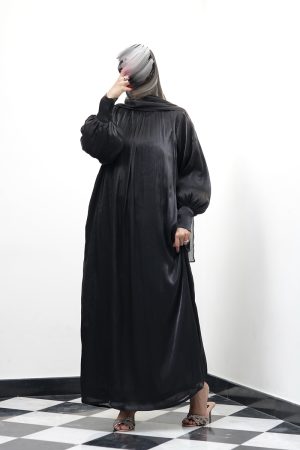
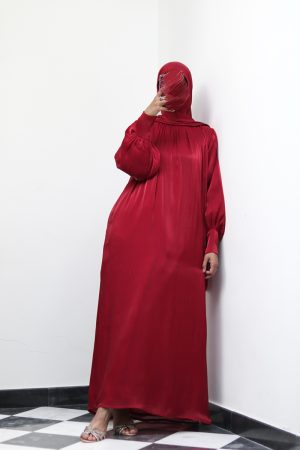
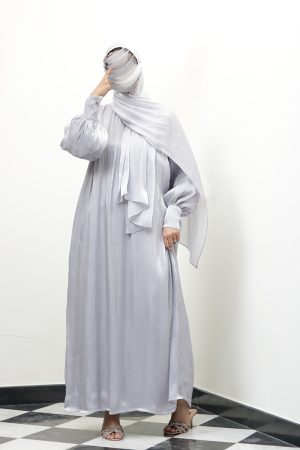
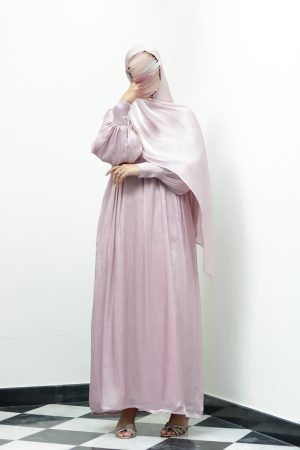
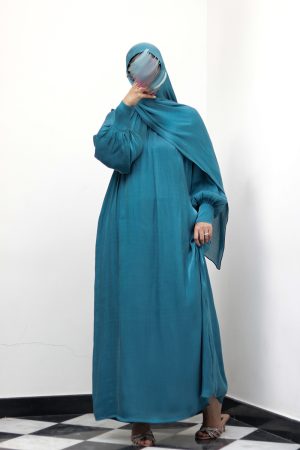
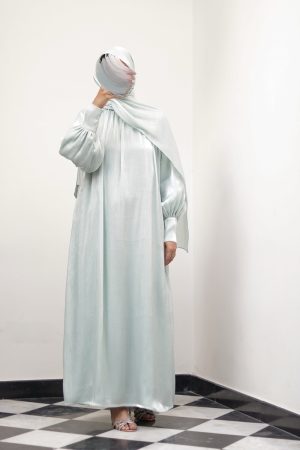
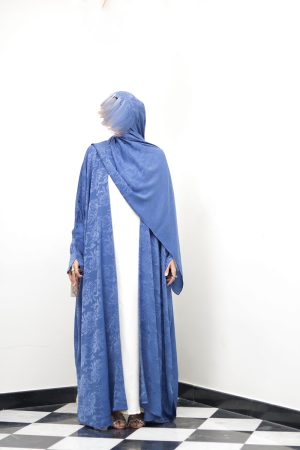

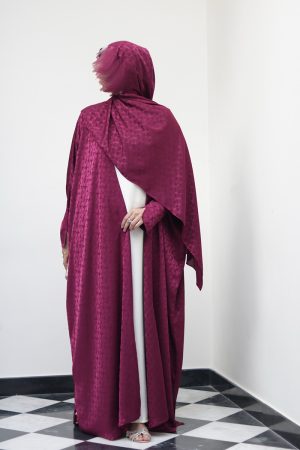

In many cultures, the color white is synonymous with purity, peace, and serenity. The white hijaab embodies these qualities, serving as a visual representation of these values. Beyond its spiritual connotations, the white hijaab is also celebrated for its versatility and timeless appeal. It can be worn in any season and seamlessly paired with vibrant, colorful outfits to create a striking contrast or to highlight the simplicity of the ensemble.
The allure of the white hijaab lies in its ability to evoke innocence and tranquility, making it a popular choice for religious ceremonies, prayers, and moments of personal reflection. Its understated elegance allows the focus to remain on inner virtues rather than outward appearances, aligning perfectly with the principles of modesty and humility.
While white holds a special place, it’s worth noting that hijaabs come in a spectrum of colors, each carrying its own significance and style. From the sophistication of black and the calm of blue, to the creativity of orange and the optimism of yellow, every shade offers Muslim women a unique way to express their individuality. Still, the white hijaab stands apart as a symbol of both spiritual devotion and effortless style, making it a cherished staple in wardrobes around the world.
But beyond its spiritual meaning, color itself plays a vital role in hijaab fashion. The shade you choose can be a powerful way to express personality, mood, and individuality. White, for instance, not only symbolizes modesty and tranquility but also serves as a graceful backdrop, allowing other elements—like skin tone, accessories, or even the subtle details of an abaya—to stand out. This ability to both blend in and enhance makes the white hijaab a favorite for those seeking elegance without excess.
✨ Check Out Our Latest Abayas ✨
Understanding the meaning behind color choices empowers Muslim women to curate looks that reflect their culture, faith, and personal style. Each hue carries its own emotional resonance, and the timeless appeal of white ensures it remains a staple in both traditional and contemporary wardrobes.
The simplicity of the white hijaab allows the focus to remain on spiritual values rather than materialistic or aesthetic considerations. This aligns with the core principles of modesty and humility that the hijaab represents.
White Hijaab in Fashion
The fashion world has embraced the white hijaab, recognizing its versatility and elegance. As a timeless piece, it can be paired with various styles, colors, and patterns, making it a staple in many women’s wardrobes. The neutral hue of the white hijaab provides a blank canvas that can complement both casual and formal attire.
✨ Check Out Our Latest Abayas ✨
Fashion designers have increasingly incorporated the white hijaab into their collections, showcasing its adaptability and chic appeal. It can be styled in numerous ways, from the traditional drape to more contemporary twists, allowing for personal expression while maintaining cultural respect.
The Power of Color in Hijaab Fashion
Color in hijaab fashion is more than just a visual detail—it is a way to express individuality, mood, and creativity. Each shade holds unique meaning and can evoke different emotions. While the white hijaab stands out for its purity and simplicity, Muslim women often choose hijaabs in a variety of colors based on their mood, occasion, or personal preference. Soft pastels, rich jewel tones, and classic neutrals all offer an opportunity to highlight personality and enhance natural beauty.
Experimenting with different hues—like pastel pinks for a gentle, uplifting look, or deep forest greens for a sense of calm and confidence—can help create ensembles that reflect both faith and fashion sense. The right color choice not only complements skin tone but also enhances overall appearance, serving as a subtle yet powerful form of self-expression.
✨ Check Out Our Latest Abayas ✨
Ultimately, the significance of color, including the enduring elegance of the white hijaab, empowers Muslim women to celebrate their culture, faith, and unique style in every aspect of their wardrobe.
Symbol of Unity and Diversity

While the white hijaab is a symbol of individual faith and modesty, it also serves as a unifying element among diverse communities. Women from different backgrounds and ethnicities wear the hijaab, bringing together a rich tapestry of traditions and interpretations. This diversity within unity highlights the hijaab’s role in fostering inclusivity and understanding among cultures.
✨ Check Out Our Latest Abayas ✨
The white hijaab transcends cultural boundaries and becomes a universal symbol of respect and grace. It is a reminder of the shared values and beliefs that connect people, regardless of their differences.
Why is choosing the right hijab color important for complementing skin tone and enhancing appearance?
The Importance of Color Harmony in Hijab Selection
Selecting the right hijaab color goes beyond personal preference—it can truly transform your overall appearance. Certain shades have a remarkable ability to enhance your natural features by working in harmony with your skin tone.
A well-chosen hue can brighten your complexion, add a healthy glow, and even elevate the entire look of your outfit. Just as Coco Chanel’s classic black dress complements nearly everyone, the correct hijaab color brings out your unique beauty while creating a sense of balance and sophistication.
The impact is subtle yet significant: when the shade flatters your skin, you’ll radiate confidence, and your ensemble will feel perfectly pulled together, whether you’re dressing for a family gathering or a formal event.
How can experimenting with hijab colors help express personality and match skin tone?
Expressing Personality Through Color
Exploring different hijaab colors is a wonderful way to showcase your personality and highlight your unique features. Soft pastels like lavender or mint can evoke a sense of calm and approachability, while vibrant shades such as emerald or sapphire signal confidence and creativity. From timeless neutrals to joyful brights, your choice of color can set the mood for the day and reveal a glimpse of your inner style.
Your skin tone also plays a key role in selecting the most flattering shades. Earthy tones and rich jewel colors can enhance warm complexions, while cool undertones tend to shine with icy blues, blush pinks, or crisp whites. Don’t be afraid to mix and match—sometimes, an unexpected color becomes your signature look.
Ultimately, experimenting with hijaab colors isn’t just about following trends; it’s an act of self-expression. Find hues that make you feel radiant, comfortable, and most authentically yourself.
✨ Check Out Our Latest Abayas ✨
Conclusion
The white hijaab is more than a fashion statement or a religious garment; it is a symbol of purity, modesty, and unity. Its significance extends beyond mere aesthetics, touching upon deep cultural and spiritual aspects. As it continues to evolve in the fashion industry, the white hijaab remains a powerful emblem of identity and tradition for many women worldwide.
Whether worn for religious purposes or as a fashion accessory, the white hijaab stands as a testament to the rich history and diverse interpretations of modesty and elegance. It invites us to appreciate the beauty of simplicity and the strength found in unity.