Stylish Abaya Coat for Every Occasion
You’ve likely seen it: an elegant, flowing outer garment that moves with grace and commands a quiet presence. While you may have admired it without knowing its name, you were probably looking at a version of an abaya. Today, this traditional garment is evolving, blending cultural heritage with contemporary design to create a versatile new staple—the abaya coat.
✨ Check Out Our Latest Abayas ✨
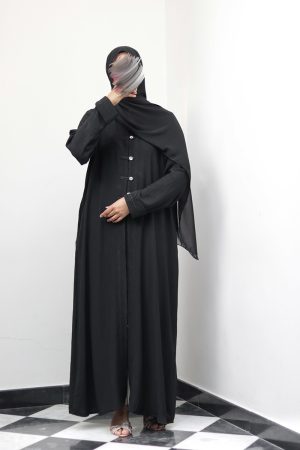
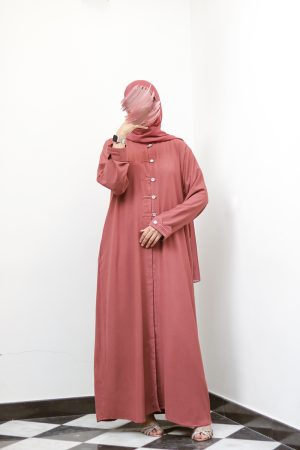
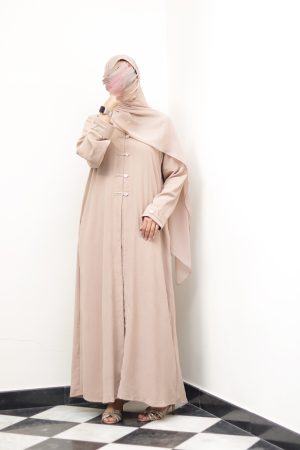
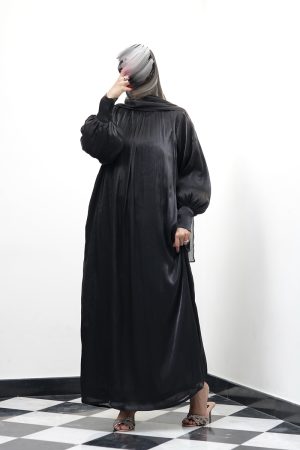
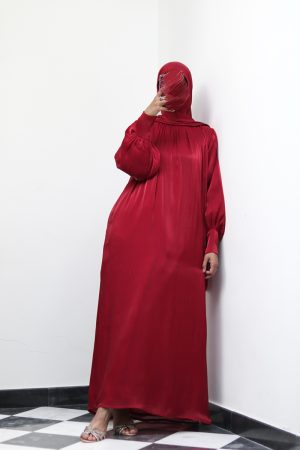
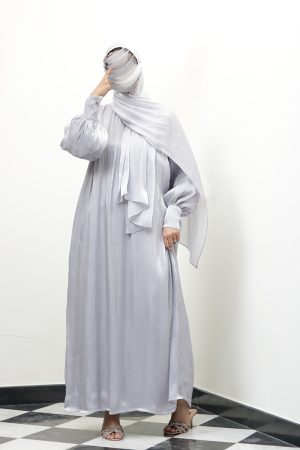
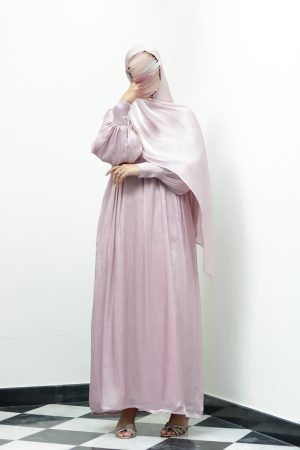
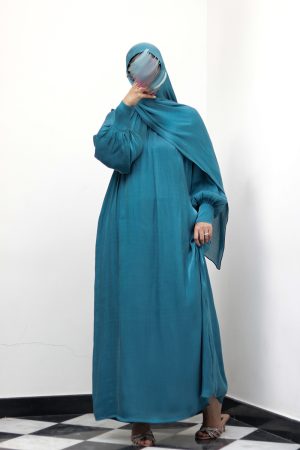
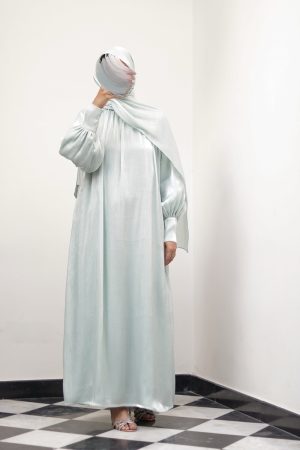
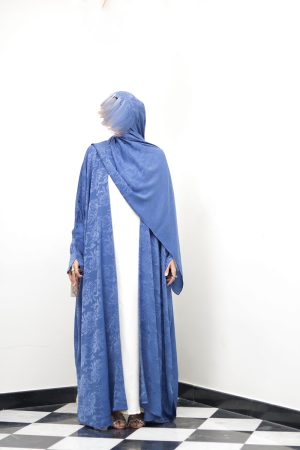

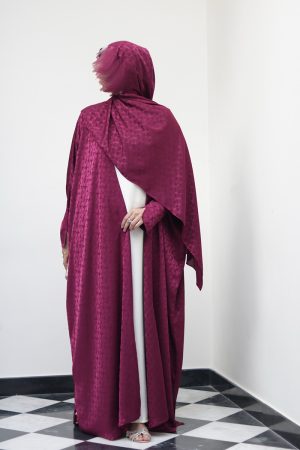
This piece of modern Islamic clothing is a brilliant hybrid. It takes the modest, longline silhouette of a traditional abaya and infuses it with features from a classic Western coat, like the lapels of a trench or the belt of a duster. Its rapid growth in popularity is a cornerstone of the global modest fashion movement, offering a chic answer for anyone seeking stylish, full-coverage modest outerwear. This guide explores the different styles available, from casual to formal, and shows how to wear one for any occasion, proving its incredible versatility.
What Is an Abaya (and What It Isn’t)?
At its core, an abaya is a simple, loose-fitting outer garment. Think of it as a long, flowing cloak or robe worn over your everyday clothes. Traditionally black, its main purpose is to provide full-body coverage in line with principles of modesty, creating a graceful and understated silhouette. It is a single piece of clothing, separate from any head or face covering.
It’s easy to confuse the abaya with other well-known pieces of Islamic dress, but the distinction is simple. The abaya is the robe-like garment for the body. In contrast, the hijab is a headscarf used to cover the hair and neck. While a woman might wear an abaya and a hijab together to create a complete modest outfit, they are two separate items.
Ultimately, the abaya provides a foundation for both modesty and personal expression. When this traditional garment is blended with the structure and tailoring of a classic Western coat, the lines begin to blur, creating a modern hybrid that bridges culture and catwalk: the abaya coat.
✨ Check Out Our Latest Abayas ✨
When a Robe Meets a Trench: Defining the Modern Abaya Coat
The modern abaya coat is a hybrid garment that balances cultural heritage with contemporary fashion. It takes the core principle of the abaya—long, flowing coverage—and merges it with the distinct tailoring and structure you’d find on a classic outerwear piece. It’s less a simple covering and more a deliberate style choice.
The key differences are all in the details. While a traditional abaya is often a simple, unadorned garment, an abaya coat announces itself with features borrowed from Western tailoring. Look for defined lapels like those on a blazer, a tie-waist belt similar to a classic trench abaya, or a formal button-down front. These designs are often crafted from materials you’d expect in a department store, like structured linen, warm wool, or even denim.
This evolution transforms the garment into a versatile statement piece that feels both familiar and new. The coat abaya is designed to be a focal point of an outfit, not just a layer on top of it. This creative fusion doesn’t stop with a single look; it borrows from a whole wardrobe of styles, paving the way for countless unique designs.
✨ Check Out Our Latest Abayas ✨

From Dusters to Kimonos: Unpacking the Different Abaya Coat Styles
Just as a winter wardrobe isn’t complete with only one type of coat, the world of abaya coats is full of variety. The style you choose can completely transform an outfit, shifting its mood from professionally polished to effortlessly casual. Learning to spot the differences is the key to finding the perfect one for any occasion.
While designers are always creating new interpretations, most of these garments fall into three popular categories, each with a distinct silhouette and purpose.
✨ Check Out Our Latest Abayas ✨
- The Trench Abaya: Borrowing from classic outerwear, these abaya-style trench coats are defined by their structure. Look for lapels, a button-down front, and often a tie-belt to cinch the waist. Made from fabrics like cotton twill or light wool, they’re perfect for professional settings or creating a sharp, put-together look.
- The Duster Abaya: This is the most relaxed and versatile of the different types of open abayas. Like its Western namesake, it’s lightweight, flows beautifully, and is typically worn open. Crafted from casual fabrics like linen or crepe, it’s the ideal piece for layering over jeans and a top for a weekend brunch.
- The Kimono or Bisht Abaya: For moments that call for more drama, this style delivers. Its defining features are wide, flowing sleeves and a generous, loose cut reminiscent of both a Japanese kimono and a traditional Gulf bisht (a wide, flowing men’s cloak). Often made from satin or silky fabrics, this is your go-to for evening events and formal occasions.
Understanding these core styles helps you select a piece that fits not just your body, but your life. The clean lines of a trench project confidence at work, while the flowing grace of a kimono-style abaya adds a touch of glamour to a special night out. The silhouette is only half the story; the fabric plays an equally vital role.
How to Choose the Right Fabric for All-Season Style and Comfort
Choosing the right fabric is just as important as picking a style, as it determines how the abaya coat feels and functions. For warmer weather, breathability is key. This is why a lightweight duster for modest layering made from linen or lightweight cotton is a perfect choice. Much like you’d pick a cotton shirt over a polyester one on a hot day, these natural fibers help you stay cool and comfortable while maintaining full coverage, making them the best materials for a summer abaya.
Conversely, when temperatures drop, you’ll want a fabric that provides insulation. A thick abaya coat crafted from a wool blend or a rich tweed functions just like a traditional winter overcoat, trapping body heat to keep you warm. These sturdier materials also give overcoat coat abaya designs more structure, creating a sharp silhouette that stands up to chilly winds. The fabric here isn’t just for looks; it’s a practical layer of warmth.
✨ Check Out Our Latest Abayas ✨
Beyond the weather, fabric choice sets the entire mood of your outfit. Everyday styles thrive in durable, comfortable materials, but for special occasions, fabrics like satin, crepe, or velvet signal instant elegance. Their subtle sheen and graceful drape elevate the garment from a simple coat to a sophisticated statement piece. Understanding these material differences is the final step before styling your look.
The Art of Layering: 3 Effortless Ways to Style Your Open Abaya Coat
The true beauty of the abaya coat lies in its power to transform whatever is underneath. Think of it as your most versatile outer layer. Knowing what to wear under a trench abaya or any open-front style is the key to unlocking its potential for any occasion, from a casual coffee run to a formal dinner.
For an effortlessly chic daytime look, the formula is simple: your favorite jeans and a basic t-shirt. Leaving the abaya with coat open creates a long, flowing line that adds a touch of grace to an otherwise standard outfit. It’s the perfect answer for when you want to feel comfortable yet put-together, elevating a simple base into a thoughtful ensemble.
✨ Check Out Our Latest Abayas ✨
Transitioning to a professional setting is just as straightforward. Simply swap the jeans for tailored trousers and the t-shirt for a silk or cotton blouse. In this context, the abaya coat functions like a modern, elongated blazer, adding a layer of sophistication and polish. It’s a powerful way to command respect in the workplace while maintaining an elegant silhouette.
When dressing for an evening out, an abaya coat layered over a simple slip dress creates instant elegance. For a different silhouette, this is the perfect time to use a belt. Cinching the waist provides more structure and defines your shape, offering a look that feels more like a wrap dress. These simple styling tips for belted abaya jackets show how one garment can serve multiple purposes.

✨ Check Out Our Latest Abayas ✨
More Than an Outfit: What the Abaya Represents in Modern Culture
Beyond its elegant lines and styling potential, the abaya is a garment rich with personal and cultural significance. For millions of women, it’s a powerful and beautifully diverse form of expression that defies any single definition.
For many who wear it, the abaya can be:
- A Statement of Faith: A personal and visible commitment to modesty.
- A Cultural Identifier: A link to heritage, family, and community.
- A Fashion Choice: A tool for self-expression, exploring trends while honoring personal values.
- A Form of Empowerment: A conscious choice to be valued for one’s character over appearance.
This blend of personal identity and high style is at the heart of the global modest fashion movement. Far from a niche market, it’s a multi-billion dollar industry where designers are constantly innovating. The abaya coat stands as a prime example of modern Islamic clothing trends, proving that tradition and contemporary style can coexist beautifully.
✨ Check Out Our Latest Abayas ✨
How to Begin Your Abaya Coat Journey with Style and Respect
The abaya coat is a dynamic and diverse garment where culture and catwalks meet. It’s an art form that transforms a traditional cloak into a modern, global fashion statement. Whether viewed as an expression of faith or a chic outer layer, the garment tells a story of personal choice. Appreciating its dual nature is the key to understanding the world of modest fashion respectfully, whether you’re an admirer or are curious about styling an abaya yourself.
Your journey from here can start simply. The next time you encounter an abaya coat, try to identify its style—does it have the lapels of a trench or the soft drape of a duster? If you’re inspired to wear one, look for a versatile, open-front piece you can layer over your existing wardrobe. You now see not just an article of clothing, but a conversation between heritage and the individual, expressed in fabric and form.