Jalabiya Dress UAE Guide: Styles, Fabrics, and Fit
Have you ever scrolled through travel photos and stopped on an image of a stunning, floor-length flowing dress, wondering what it was called? There’s a good chance you were admiring a jalabiya dress. Far more than just a beautiful garment, it is a cornerstone of comfort, modesty, and style across the Middle East and North Africa. In the UAE, you’ll even see it tagged online as ‘jalabiya dress dubai’ during festivals and family gatherings.
✨ Check Out Our Latest Abayas ✨
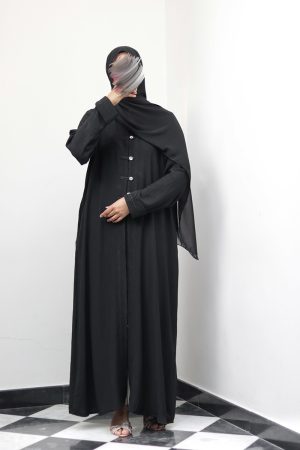
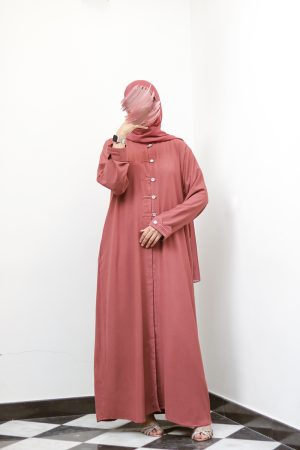
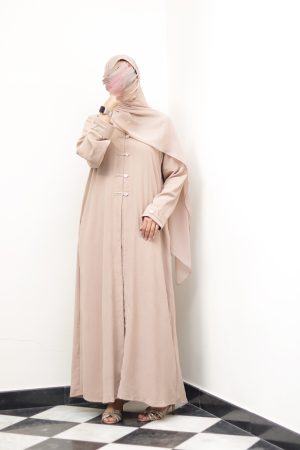
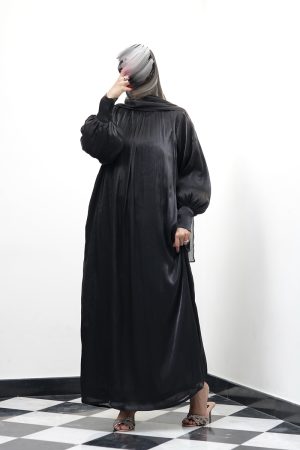
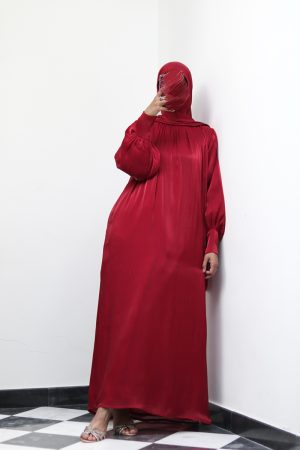
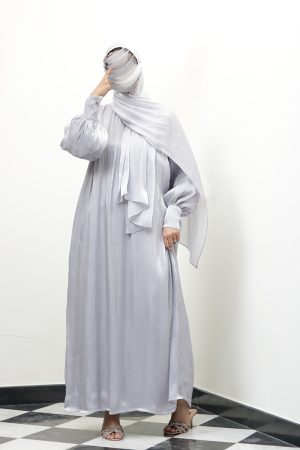
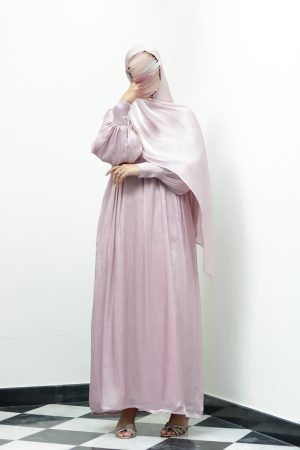
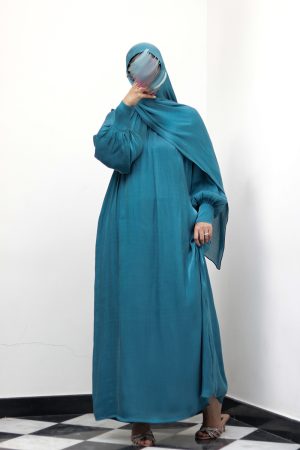
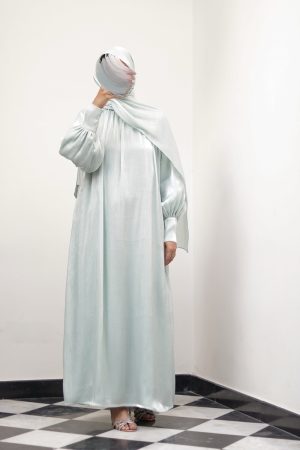
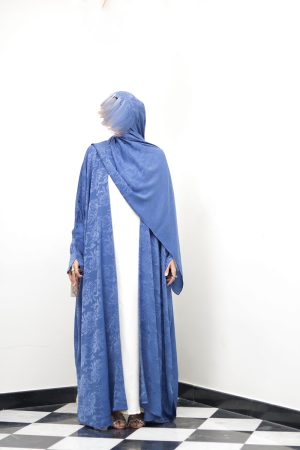

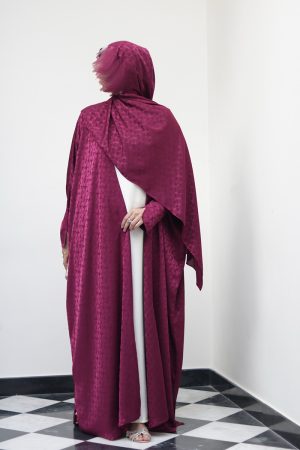
So, what is a galabeya, exactly? At its heart, the arabic jalabiya—often called a jalabiya Arabic dress—is a long, loose-fitting garment beloved for its unique blend of comfort and elegance. In practice, its breathable design makes it a perfect staple for daily life, social gatherings, and celebrations, especially in the warm climate of the UAE. This unique blend of ease and polish sits at the core of jalabiya fashion, and it’s sometimes misspelled online as ‘jalebi arabic dress.’
But telling a jalabiya from a kaftan, or choosing the right style and fabric, can feel tricky at first. This guide explores the different designs, their significance, and how to choose the perfect one with confidence.
What Makes a Jalabiya Different from a Regular Maxi Dress?
At first glance, a jalabiya might seem like just another maxi dress, but the key differences are in the cut. A traditional jalabiya typically has long sleeves and a modest neckline. Unlike many Western dresses designed to follow the body’s curves, its silhouette is intentionally generous, creating a look that defines comfortable yet stylish modest wear in a traditional jalabiya silhouette.
This focus on comfort also highlights its role in hospitality. In many homes, the Emirati jalabiya is the go-to garment for relaxing and welcoming guests. Offering a visitor one to wear is a profound gesture of friendship, a way of making someone feel truly at home and at ease in a shared space.
Beyond culture, the jalabiya is a masterclass in climate-conscious design. Its loose fit allows air to circulate, making this traditional Emirati thobe for women perfect for hot weather. While the jalabiya has a clear identity, it’s often mentioned alongside its close cousins, the kaftan and the abaya.
Jalabiya vs. Kaftan vs. Abaya: How to Tell Them Apart Instantly
It’s easy to get these beautiful garments mixed up, but telling them apart is simple once you know what to look for. The main clues are in the sleeves, the overall silhouette, and whether the garment is meant to be a dress or a coat.
✨ Check Out Our Latest Abayas ✨
The quickest way to distinguish a jalabiya from a kaftan is by looking at the cut. A jalabiya is shaped more like a traditional dress, with sleeves that are typically narrower and a fit that follows the shoulders. A kaftan, on the other hand, often has dramatic, wide-flowing sleeves and a looser, more robe-like silhouette. The famously ornate Moroccan kaftan is a perfect example of this flowing, regal style.
So, where does the abaya fit in? This is the easiest distinction of all. While the jalabiya Arabic dress is a complete outfit, an abaya is an outer garment, like a cloak or light overcoat. It’s designed to be worn over your clothes when you go out. This functional difference makes the abaya vs galabeya comparison very clear.
At a glance, just remember: a jalabiya is the comfortable dress, a kaftan is the dramatic robe, and an abaya is the elegant outer cloak. While they all offer effortless grace, the jalabiya itself is worn in countless ways.
✨ Check Out Our Latest Abayas ✨
From Daily Comfort to Ramadan Glamour: Exploring Popular Jalabiya Styles
While its core purpose is comfort, the jalabiya’s design language—across jalabiya styles and jalabiya designs—is incredibly diverse, ranging from simple to stunning. The most basic form is the everyday or ‘house’ jalabiya, often made from soft cotton in a simple cut. It’s the ultimate comfortable garment, perfect for relaxing at home or running casual errands while staying cool and covered.
For a more vibrant look, many modern designs draw inspiration from Moroccan styles. These jalabiyas stand out with their rich jewel-toned colors—like cobalt blue and magenta—and are often finished with distinctive, contrasting trim or braided cord (sfifa) along the neckline and cuffs. This style effortlessly blends traditional flair with a contemporary fashion sensibility.
The jalabiya truly shines, however, during formal gatherings. For celebrations, especially as elegant robes for Ramadan events, they transform into beautiful, embroidered Arabic long gowns. Crafted from fabrics like crepe or silk, these formal jalabiyas feature intricate beadwork and metallic thread embroidery, making them the perfect answer to the question of what to wear to an Iftar party or wedding.
Many families coordinate looks: collections often include a jalabiya dress for kids, while a jalabiya dress for men offers a complementary, modest aesthetic. Retailers sometimes label women’s collections simply as ‘jalabiya women’ for easier browsing, especially in online catalogs.
✨ Check Out Our Latest Abayas ✨
Shopping tip: if you’re traveling, you’ll find boutiques and markets showcasing jalabiya dubai favorites alongside regional classics. City-specific edits are common in e-commerce too.
Why Cotton is for Day and Silk is for Night: Choosing the Right Fabric
The magic of a jalabiya isn’t just in its cut; it’s in the fabric. The material determines not only how the garment feels but also how it moves and where you can wear it. For daytime comfort, especially in warmer climates like those in the UAE, breathable fabrics are essential. Natural fibers like cotton and linen are favorites because they allow air to circulate and keep you cool. Rayon is another excellent choice, offering a similar soft, airy feel that’s perfect for everyday wear.
As day turns to night, the focus shifts from pure ventilation to elegant movement. This is where a fabric’s drape—how gracefully it hangs and flows—comes into play. To achieve that stunning, fluid silhouette for an evening out, look for materials like crepe, georgette, and silk blends. For the most formal celebrations, luxurious fabrics like satin or velvet provide structure and a rich visual texture.
✨ Check Out Our Latest Abayas ✨
Quick Fabric Guide:
- For Heat & Comfort (Daytime): Cotton, Linen, Rayon
- For Flow & Elegance (Evening): Crepe, Georgette, Silk Blends
- For Formal Events (Celebrations): Satin, Brocade, Velvet
You’ll see the same distinctions in local catalogs under ‘jalabiya uae’ or ‘jalabiya dress uae,’ especially when browsing seasonal collections.
How to Choose a Jalabiya That Flatters Your Shape
Beyond the fabric, the cut of a jalabiya is key to finding a style you love. For an elegant, elongating effect, look for designs that draw the eye downward. A simple V-neckline or a single line of vertical embroidery from the collar to the hem creates a beautiful, graceful line that complements the garment’s flow.
While jalabiyas are celebrated for their loose fit, you can still add subtle definition. Some styles come with a delicate, built-in tie-belt to cinch the waist. For a similar layered effect that creates a sophisticated silhouette, modern interpretations sometimes pair a shorter jalabiya or kaftan top with matching trousers.
✨ Check Out Our Latest Abayas ✨
When in doubt, the classic A-line cut is a universally flattering option. This design fits closer at the shoulders and gradually widens towards the hem, skimming over the body without clinging. It offers a perfect balance of comfort and structure for a timeless, elegant look.
Wearing a Jalabiya with Confidence and Respect
Understanding the arabic jalabiya dress means appreciating the comfort and heritage woven into its fabric. It’s more than an outfit—it’s a piece of cultural expression with a rich history. Wearing one respectfully comes down to context and intent.
Choosing a beautiful jalabiya abu dhabi style for a celebratory dinner or a modest design for a mosque visit shows appreciation for both the occasion and the culture, not treating it as a costume. By engaging with this garment thoughtfully, you can admire its beauty and participate in its story with confidence.