Exploring the Elegance of abaya ksa
Exploring the Elegance of the Abaya in KSA
If you’ve ever seen photos of Saudi Arabia, you’ve likely noticed women wearing a flowing black cloak. This garment has a name—the abaya—and reducing it to a single image overlooks a world of culture, style, and personal expression. This common picture, while not untrue, is just the first page in a much richer story.
✨ Check Out Our Latest Abayas ✨
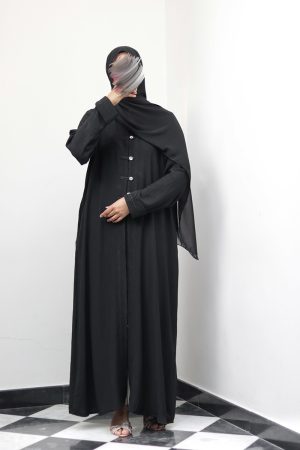
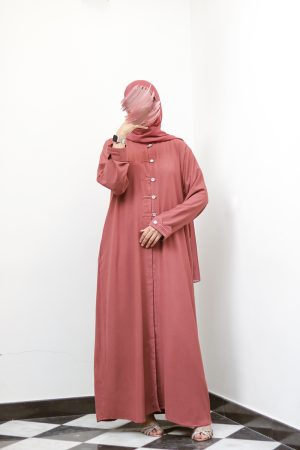
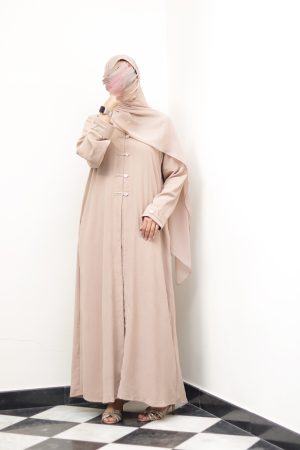
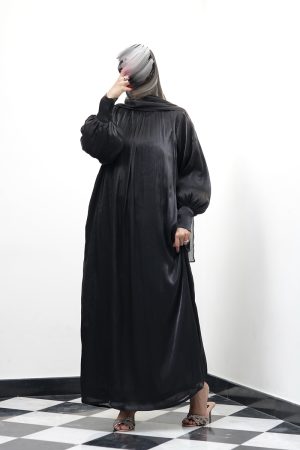
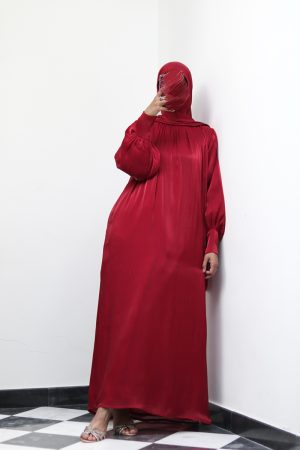
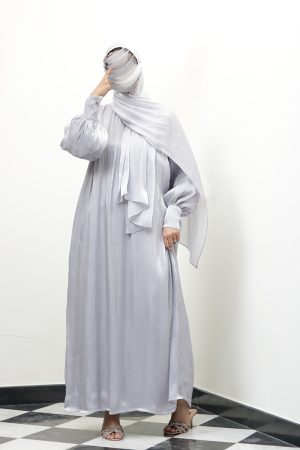
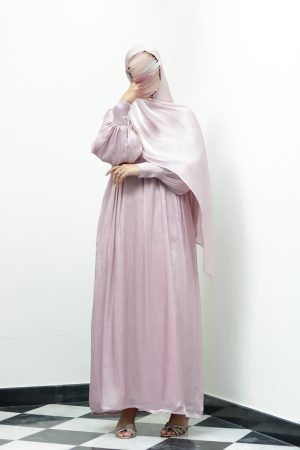
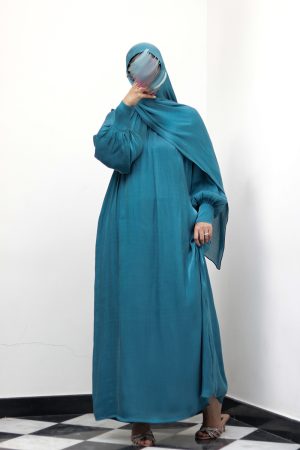
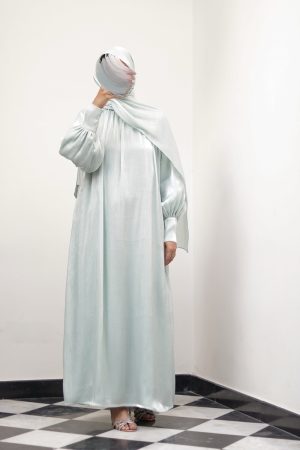
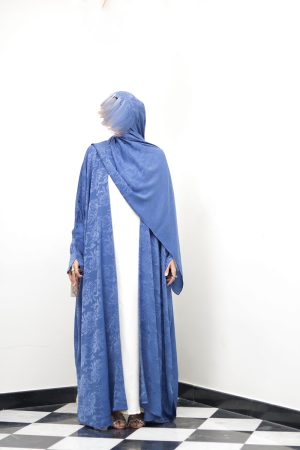

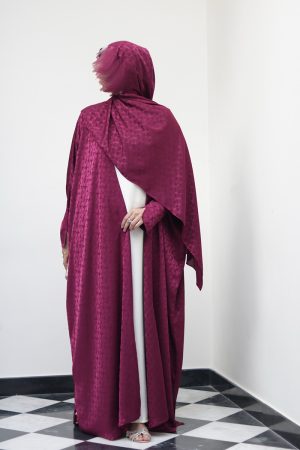
What if that simple black robe was actually the centerpiece of a vibrant fashion scene? In practice, the modern saudi style abaya is anything but a uniform. From minimalist cuts in deep navy and beige to open designs worn like a long coat, it reflects a blend of tradition and contemporary taste, especially in the bustling cities of the Kingdom.
Looking past stereotypes reveals the true narrative of the abaya ksa: a traditional garment that has evolved into a dynamic and elegant expression of modern identity, faith, and fashion.
First Things First: What Is an Abaya (and What Is It Not)?
To understand the Saudi abaya, it helps to first clarify what the garment is. Simply put, an abaya (ah-BYE-ah) is a loose, full-length robe worn over a woman’s regular clothing. It functions as an outer layer, intended to provide coverage and modesty when in public. Think of it less as an entire outfit and more as a flowing coat or cloak that drapes over whatever is worn underneath.
While the abaya covers the body, other pieces are used for the head and face. You may have heard the term hijab (hee-JAB), which specifically refers to a headscarf worn to cover the hair. Another piece, the niqab (nick-AWB), is a veil that covers the lower part of the face, leaving only the eyes visible. These are separate items from the abaya itself.
Think of them as individual articles of clothing that can be combined. A woman might wear an abaya with a hijab, or she might wear all three pieces together. An abaya with a niqab and headscarf creates a complete look chosen for reasons of faith, identity, or tradition.
✨ Check Out Our Latest Abayas ✨
What Gives an Abaya its Unique “Saudi Style”?
What truly sets the traditional Saudi style abaya apart is its silhouette and color. Unlike a tailored coat, the classic design is a wide, flowing piece of fabric intended to drape loosely over the body for maximum modesty. Black became the customary color for both practical and cultural reasons. Historically, its deep, opaque quality offered the most complete coverage, and over time, this practicality evolved into a standard of timeless elegance and tradition. The result is a garment recognized for its understated and sweeping form.
Beyond the color, the way an abaya is worn is also key to its style. There are two main traditional designs. The most common version is the shoulder abaya (known as katif), which drapes over the body from the shoulders, much like a long, flowing coat. A more conservative and classic style is the head abaya (ra’s), which is designed to rest on the head and cascade down in one continuous, unbroken line to the ground, enveloping the wearer completely.
Together, the deep black color, generous cut, and these two distinct draping methods—from the shoulder or the head—create the foundation of traditional Saudi abaya designs. However, this classic foundation has served as a starting point for incredible creativity. Just as a simple dress can be reimagined in countless ways, the abaya has also begun a fascinating evolution, blending deep-rooted tradition with modern fashion sensibilities.
✨ Check Out Our Latest Abayas ✨
From Classic Cloak to Modern Coat: The Evolution of Saudi Abaya Fashion
While the traditional black abaya remains a timeless classic, a wave of creativity has transformed Saudi abaya fashion. Perhaps the most significant change is the rise of the “open abaya.” Instead of a closed, all-enveloping garment, many modern abayas are designed to be worn open at the front, functioning much like a long, elegant duster coat. This new style allows the outfit underneath—whether it’s stylish jeans and a top or a formal dress—to become part of the overall look, blending personal style with cultural modesty.
Color has also become a powerful tool for expression. The sea of black is now punctuated by a sophisticated palette of modern abaya designs. Deep navy, earthy beige, cool grey, and even soft pastel shades like dusty rose are increasingly popular choices. This shift allows women to coordinate their abayas with their outfits, accessories, or even the season, turning a once-uniform garment into a versatile and fashionable piece of outerwear.
Beyond the cut and color, the very fabric of the abaya has evolved. While traditional materials were chosen for their opacity, new style abayas in Saudi Arabia often feature lighter, more textured fabrics. Breathable linen, soft crepe, and other modern materials add a new dimension of comfort and style, particularly in the region’s warm climate. These fabrics drape beautifully, giving even the simplest abaya a sense of effortless grace.
✨ Check Out Our Latest Abayas ✨
Together, these elements—the open front, the diverse color palette, and the refined fabrics—mark a new era for the Saudi abaya. It’s an evolution that honors its traditional roots as a symbol of modesty while embracing the global language of fashion. This creative spirit, however, isn’t limited to one country; nearby, other regional styles are blossoming with their own unique flair.

Saudi vs. Dubai Style: How to Spot the Subtle Differences
Just as the fashion scene in Paris feels different from Milan, the modern abaya has developed distinct regional personalities, most notably between Saudi Arabia and the neighboring UAE city of Dubai. While both regions are hubs of abaya innovation, they often express it through different design philosophies. Understanding these subtle distinctions is like learning to spot the difference between a structured blazer and a relaxed jacket—it all comes down to cut, detail, and overall feeling.
✨ Check Out Our Latest Abayas ✨
The signature abaya style in Saudi Arabia often leans toward an aesthetic of understated elegance. The focus here is frequently on the masterful cut, the quality of the fabric, and sophisticated, clean lines that create a powerful silhouette. Think minimalist designs where the shape itself is the main statement. In contrast, the Dubai style is often more glamorous and expressive. You’re more likely to see intricate embroidery on the sleeves, a shimmer of delicate crystals along the hem, or bold uses of contrasting fabrics and colors, creating a piece designed to stand out.
Of course, these are general trends, not strict rules. With designers sharing their work across the Gulf and the global availability of luxury abayas online, these styles are constantly influencing each other. It’s not uncommon to find a Riyadh-based designer creating a glamorous, embellished piece or a Dubai boutique championing minimalist chic. But whether a design is minimalist or magnificent, its overall feel and drape often come down to a single, critical choice: the fabric it’s made from.
The Secret to Comfort in the Heat: Why Abaya Fabric Matters
Wearing a full-length garment in a warm climate might seem counterintuitive, but the secret to staying comfortable lies entirely in the fabric. The right material can transform an abaya from a simple covering into a light, airy layer that provides coverage without trapping heat. This is why experienced wearers and designers pay close attention to the textile. Choosing a heavy, non-breathable polyester can feel stifling, but modern abayas increasingly rely on sophisticated, lightweight materials designed for warm weather.
✨ Check Out Our Latest Abayas ✨
Among the most prized materials is Nida, a fabric you’ll often hear mentioned when discussing luxury abayas. Think of it as the silk of the abaya world—it’s a premium, man-made fabric known for being incredibly soft, lightweight, and having a beautiful, fluid drape. Its key benefit is its breathability, which allows air to circulate freely. This combination of elegance and comfort is why Nida is the best abaya fabric for hot weather and the top choice for high-quality, everyday designs.
While Nida is a standout, other fabrics are also excellent for staying cool. The best choices offer a similar blend of breathability and style:
- Linen: Valued for its exceptional natural breathability and relaxed texture.
- Lightweight Crepe: Known for its flowy, graceful drape and slightly crinkled texture that keeps it from clinging to the body.
Ultimately, the choice of a light, flowing fabric is just as crucial as the cut of the abaya itself, proving that comfort and elegance can, and should, go hand in hand.
✨ Check Out Our Latest Abayas ✨
Going Deeper into Design: What Are Bisht and Saloona Abayas?
Just as Western fashion has different cuts of coats for different occasions, abayas come in specific silhouettes that convey a particular style or purpose. One of the most elegant and recognizable styles is the Bisht abaya. Its defining feature is its dramatic, wide-cut sleeve, which flows from the shoulder all the way to the hem, creating a “batwing” or “butterfly” effect. This generous use of fabric gives the modern bisht abaya for women a majestic, cape-like appearance, making it a popular choice for formal events, weddings, and celebrations where making a graceful statement is key.

Shifting from formal flair to traditional roots, the Saloona abaya represents one of the classic traditional Saudi abaya designs. If you’re wondering what is a saloona abaya, think of it as a design focused on ultimate modesty and comfort. It is exceptionally wide—often cut as a large circle or square of fabric with openings for the head and hands—and is meant to drape very loosely over the body, completely obscuring the shape underneath. This style prioritizes coverage and is a testament to the garment’s traditional function.
✨ Check Out Our Latest Abayas ✨
Ultimately, the choice between a flowing Bisht or a classic Saloona highlights how much detail and intention go into abaya design. The cut is a language in itself, communicating whether the occasion is celebratory, casual, or rooted in deep tradition. For many women, selecting the right silhouette is as important as choosing the right fabric, proving that this versatile garment is rich with personal and cultural expression.
A Visitor’s Guide: How to Wear an Abaya Respectfully in KSA
If you’re planning a trip to Saudi Arabia, you might be wondering about the dress code. While the rules have relaxed significantly for tourists, and wearing an abaya is no longer a legal requirement for foreign women, choosing to do so is often seen as a thoughtful sign of respect. Adopting this piece of local dress allows you to navigate public spaces comfortably and shows an appreciation for the cultural norms in KSA.
With so many options available, picking an abaya style in Saudi Arabia can feel overwhelming. For visitors, the simplest and most versatile choice is a modest, closed-front abaya in a dark, neutral color like black, navy, or charcoal grey. This classic style works for almost any situation, from exploring a bustling souq to visiting a modern mall, ensuring you feel appropriately dressed without drawing unnecessary attention.
✨ Check Out Our Latest Abayas ✨
To complete the look respectfully, many visitors also carry a shayla—a simple, rectangular scarf. You don’t need to wear it as a full head covering, but having one to loosely drape over your hair can be a considerate gesture, especially if you plan to visit a mosque or a more traditional area of a city. It’s a small detail that demonstrates a deeper level of cultural awareness.
Ultimately, wearing an abaya respectfully is about more than just clothing; it’s a way of engaging with the culture on its own terms, opening a window to the garment’s deeper role as a canvas for identity.
More Than a Garment: The Abaya as a Canvas for Identity
What may have once seemed like a simple, uniform black cloak now reveals itself as a garment with a rich and personal story. You’ve journeyed past the stereotype to see the Saudi abaya for what it truly is: a dynamic piece of clothing where tradition and modern fashion coexist, reflecting both deep cultural significance and individual choice.
✨ Check Out Our Latest Abayas ✨
The next time you encounter an abaya, notice the details—the cut of the sleeve, the texture of the fabric, or a subtle hint of color. Each observation is a step toward recognizing the individual, appreciating the diversity of abaya outfit ideas, and building a more nuanced understanding.
Far from being a garment that conceals, the abaya is often a canvas. It is a deliberate choice through which a woman can express her identity, faith, and unique place in the world, turning a piece of fabric into a profound personal statement.