Exploring the Best shop in abaya mall dubai
Exploring the Best Shop in an Abaya Mall in Dubai
Imagine a Londoner owning several coats: a trench for spring, a wool coat for winter, and a smart one for work. For many women in the Gulf, the abaya functions as this essential wardrobe staple. This consistent demand for different styles—for daily errands, professional settings, and elegant evenings—fuels a unique retail world that Abaya Mall Dubai United Arab Emirates is famous for. It’s the answer to the question, “Why would one person need so many abayas?” For many shoppers, each season brings a refreshed abaya collection to suit changing needs.
✨ Check Out Our Latest Abayas ✨
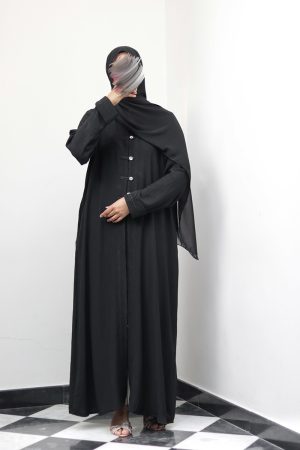
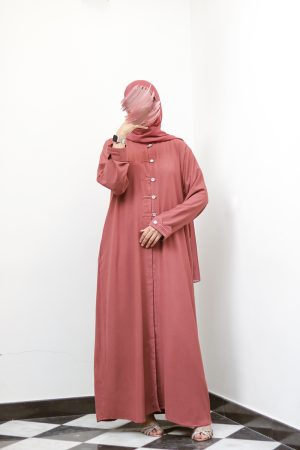
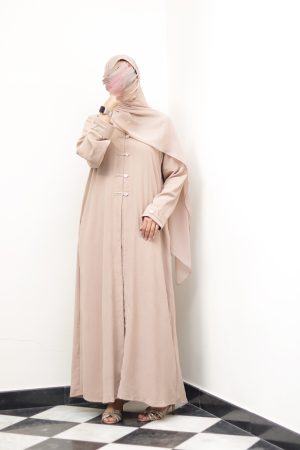
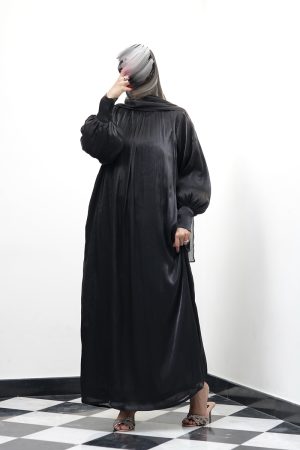
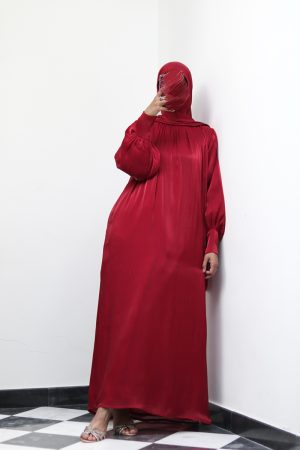
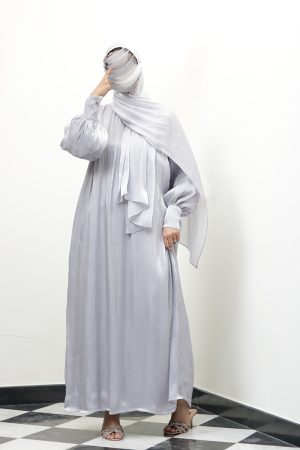
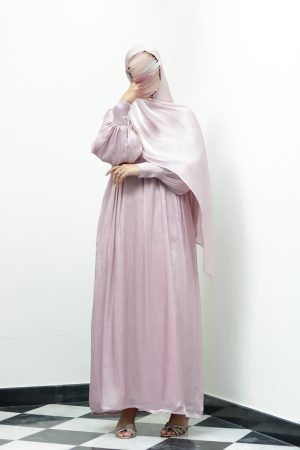
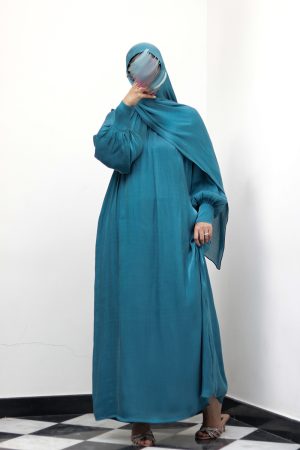
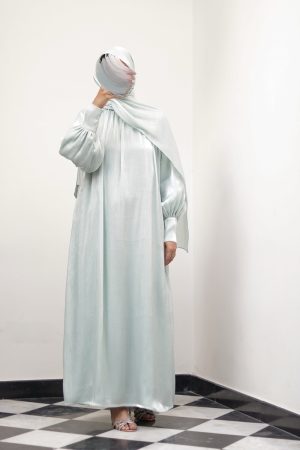
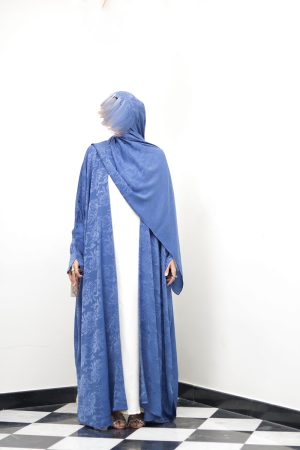

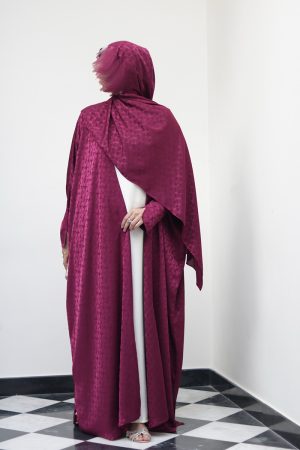
But what makes an abaya shopping mall different from a regular fashion mall? Specialization. Instead of finding a few options tucked away in a department store, you discover an entire ecosystem dedicated to modest wear and abaya shopping. Here, shoppers can find everything from mall boutiques with exclusive designs to stalls overflowing with rare imported fabrics and bespoke tailors ready to create a custom-fit piece. It transforms shopping from a simple transaction into a deeply curated experience in mall fashion. Depending on the abaya mall location, you might also find on-site alterations, fabric specialists, and stylists who help assemble fashion abayas into complete abaya outfits.
Beyond commerce, these malls function as vibrant community hubs for fashion enthusiasts. They are where designers debut seasonal abaya collections and where shoppers gather to see the latest abaya trends in craftsmanship and style. This is where tradition doesn’t just survive; it evolves into high fashion, turning a simple shopping trip into an exploration of cultural identity.
From Simple Cloth to High Fashion: The Surprising Styles You’ll Find Inside
Stepping into an abaya mall quickly shatters the myth of a single, uniform-like garment. Instead of a sea of identical black fabric, you’re met with a dazzling spectrum of colors, textures, and silhouettes. This is where the abaya reveals itself not as a simple covering, but as a canvas for high fashion, personal expression, and modern trends. These fashion abayas can become core abaya outfits for everyday life or special occasions, just like any other key wardrobe piece.
Much of the difference in abaya styles comes down to the cut. You’ll see the classic bisht cut, which is wide, flowing, and drapes elegantly, offering a more traditional and modest silhouette. In the very next shop, you might find a tailored cut abaya. These modern designs are more structured, with defined shoulders and cleaner lines that resemble a long, chic blazer or a sophisticated overcoat, perfect for a professional setting.
✨ Check Out Our Latest Abayas ✨
But the design doesn’t stop at the shape. Fabric plays a huge role in an abaya’s purpose and feel. For navigating a hot summer day, women choose abayas made from breathable linen or soft cotton. For a glamorous wedding or a formal dinner, they might opt for styles crafted from heavy, luxurious crepe, satin, or even velvet, often adorned with intricate embroidery, delicate beading, or shimmering crystals.
Ultimately, these elements combine to create stylish abayas for every occasion imaginable. A quick walk through any mall reveals a clear range of outfits:
✨ Check Out Our Latest Abayas ✨
- Classic & Flowing: For everyday elegance and comfort.
- Tailored & Professional: For the office or formal meetings.
- Embellished & Formal: For weddings and special events.
- Colorful & Casual: For relaxed weekends with friends.

How to Navigate Your First Abaya Mall: A Beginner’s Itinerary
Walking into a specialty hub like Dubai’s Abaya Mall Mirdif Dubai (often called the mirdif abaya mall or simply abaya mall mirdif) for the first time can feel exciting but also a little overwhelming with its dozens of storefronts. Before you go, check abaya mall mirdif timings online and use the abaya mall location pin in your maps app; searching “abaya mall mirdif dubai” is a quick shortcut. A good strategy is to start with the largest stores first to get your bearings on price and style before diving into the more specialized options. Similar layouts apply at Abaya Mall Abu Dhabi and Abaya Mall Ajman (also known as Ajman Abaya Mall) if you’re exploring beyond Dubai.
Your first stop should be the larger, ready-to-wear shops. Think of these as the familiar anchor stores of the abaya world. They offer a wide range of popular, modern abayas in standard sizes that you can try on and purchase immediately—ideal if you want to buy abaya pieces quickly. Browsing here is the perfect way to see current trends and establish a baseline for what a quality, everyday abaya costs.
✨ Check Out Our Latest Abayas ✨
Once you have a feel for the basics, you can venture into the smaller independent abaya boutiques. These shops are like hidden gems, often run by local designers who infuse their collections with a unique artistic vision. Here is where you’ll find more daring cuts, exclusive fabrics, and one-of-a-kind embellished pieces that you won’t see everywhere else. It’s the ideal place to look for something truly special.
Finally, nearly every shop offers custom abaya tailoring. If you find a style you love but the fit isn’t quite right, or if you want to combine elements from different designs, you can have one made just for you. Unlike in many Western markets where custom work is a rare luxury, getting an abaya tailored to your exact measurements is a common, accessible, and often surprisingly affordable service. This option ensures your final piece fits you perfectly, no matter the style you choose.
Decoding the Details: 3 Things to Look for When Choosing an Abaya
As you browse the endless racks of beautiful abayas, it’s helpful to know what separates a good piece from a great one. The first and most important detail is the fabric. Run your hand over the material; a quality abaya should feel fluid and substantial. You’ll often hear shopkeepers mention Nada, a premium, lightweight crepe fabric prized for its silky feel and beautiful drape. While many fabrics are used, feeling a soft, flowing material like Nada is often the first sign of a well-crafted garment.
✨ Check Out Our Latest Abayas ✨
Next, look for the accompanying headscarf. A high-quality abaya set will almost always include a matching scarf, known as a shayla. This isn’t just an afterthought; it’s designed to complete the look. Check to see if the shayla is made from the same fabric as the abaya or a complementary lightweight material. This attention to coordination shows a commitment to creating a polished, seamless outfit, elevating the abaya from a simple robe to a cohesive ensemble.
Finally, consider the closure style, as it completely changes how the abaya is worn. Many contemporary designs are open-fronted, meant to be worn like an elegant, flowing coat to showcase the clothing underneath. Others feature a line of discreet, hidden snap-buttons down the front. These can be worn snapped shut for a more traditional, self-contained look or left open for versatility. The choice simply depends on your personal style and how you intend to wear it.
✨ Check Out Our Latest Abayas ✨
Souk vs. Shopping Center: Which Experience is Right for You?
Your hunt for the perfect abaya isn’t just about the garment—it’s about the adventure of abaya shopping. When navigating Dubai’s fashion districts, for example, you face a classic choice: do you dive into the bustling, historic souk, or retreat into the cool, sleek corridors of a modern shopping center? Each offers a completely different path to finding what you’re looking for.
A trip to an abaya souk is a full sensory experience. Imagine narrow alleyways where hundreds of independent shops display their wares, creating a forest of flowing fabrics. This is the place for treasure hunters. You’ll find a staggering variety of traditional styles and have the unique cultural opportunity to haggle for a better price. If you enjoy the thrill of the search and the satisfaction of a good bargain, the souk is your destination.
In contrast, a dedicated “abaya center” inside a large mall offers a world of polished comfort. The air-conditioned environment provides a calm escape, allowing you to browse at a leisurely pace. Here, you’ll find boutiques from established designers and popular brands, showcasing curated collections with guaranteed quality. With fixed prices and a predictable layout, shopping in an abaya Dubai mall is as straightforward and relaxing as visiting a high-end department store.
✨ Check Out Our Latest Abayas ✨
Ultimately, there’s no wrong answer. Your choice simply depends on what you prioritize: the vibrant, bartering culture of a traditional market or the climate-controlled comfort and brand assurance of a mall. Both paths can lead you to a beautiful garment, but the price you might pay in each environment can vary significantly.
A Realistic Look at Abaya Prices: From Budget Finds to Designer Labels
Walking through a mall dedicated to a single garment, the first question on many people’s minds is about cost. Just like with any other piece of fashion, from a winter coat to a formal dress, the price of an abaya exists on a wide spectrum. You can easily find a simple, affordable ready-to-wear abaya for everyday use in the range of $50 to $150. These are often made with practical, machine-washable fabrics and clean designs, perfect for building a versatile wardrobe.
✨ Check Out Our Latest Abayas ✨
The designer abaya price range, however, can quickly climb to $400 and beyond, especially for pieces from a renowned luxury abaya brand. So, what creates this jump? The primary factors are craftsmanship and materials. A higher price tag often reflects the use of premium fabrics like silk or high-grade crepe, intricate hand-stitched embroidery, or delicate beadwork that can take dozens of hours to complete. During peak seasons, such as when the latest Ramadan clothing collections are released, these elaborate fashion abayas and couture-like pieces become especially prominent.
Quality, however, isn’t exclusive to the highest price point. There is a vast and vibrant middle ground where style, excellent fabric, and beautiful detailing meet. A budget of $200 to $300 can secure a stunning, durable abaya that feels special without commanding a luxury premium. Ultimately, the price tag reflects the abaya’s journey from a simple garment to a piece of wearable art, a transformation that says a great deal about modern fashion.
What the Abaya Mall Teaches Us About Modern Fashion and Identity
Where you once might have seen a simple, uniform garment, you can now recognize a dynamic world of design and expression. Your understanding has moved beyond a single image to a full landscape of color, cut, and creativity. You are now equipped to see the abaya not as a monolith, but as a diverse and personal form of fashion.
✨ Check Out Our Latest Abayas ✨
This new perspective is something you can carry forward. The next time you see an abaya—whether in a travel documentary from the United Arab Emirates or on a social media feed from Dubai—allow yourself a moment of curiosity. Notice the fabric, the subtle embroidery on a sleeve, or the unique silhouette. Remember that you’re seeing more than just clothing; you’re witnessing a choice, a personal statement, and a piece of a much larger story of cultural identity.
Ultimately, places like abaya malls are more than just specialized fashion districts. They are vibrant spaces proving that modest fashion and high fashion are not mutually exclusive. They reveal how a single garment can become a powerful canvas for creativity, where timeless tradition meets global trends. Wherever your trip takes you, knowing the abaya mall location and basic timings makes it easier to plan, explore, and buy abaya pieces that feel authentically yours.