Deira Abaya Market: Guide to the Abaya Souk in Dubai
Curious about Dubai’s famous Abaya Souk but nervous about bargaining, crowds, and not knowing what to buy? You’re not alone. For many travelers, visiting a traditional market can feel more intimidating than exciting, causing them to miss one of the city’s most authentic cultural experiences.
✨ Check Out Our Latest Abayas ✨
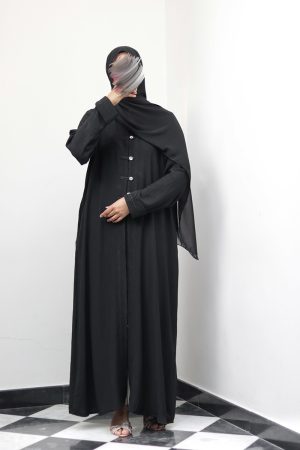
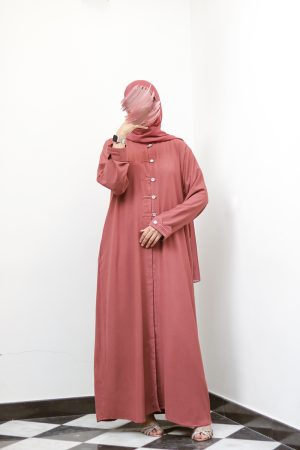
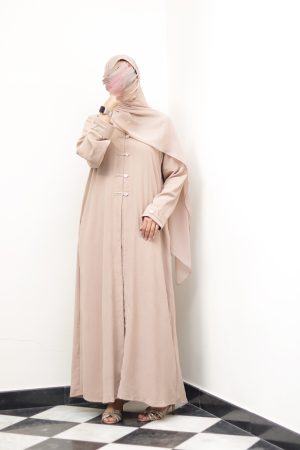
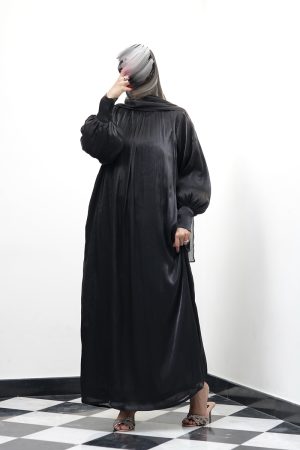
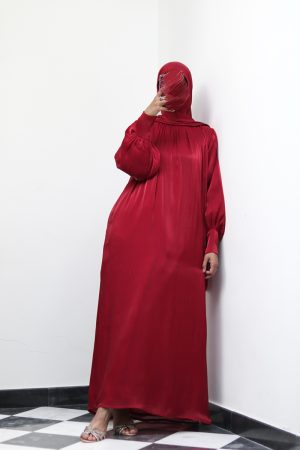
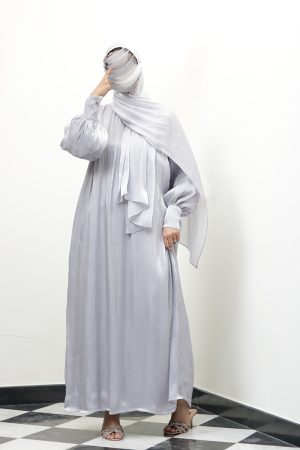
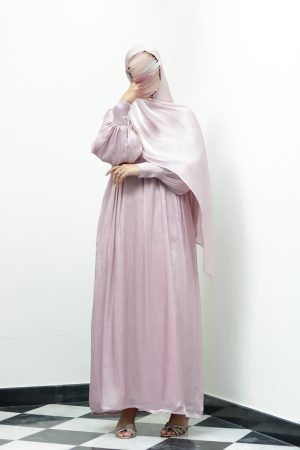
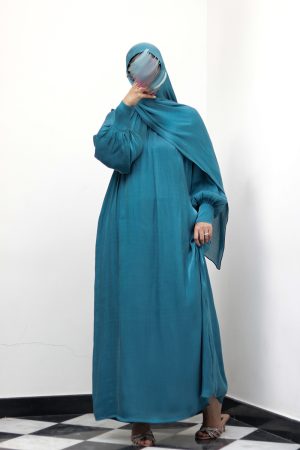
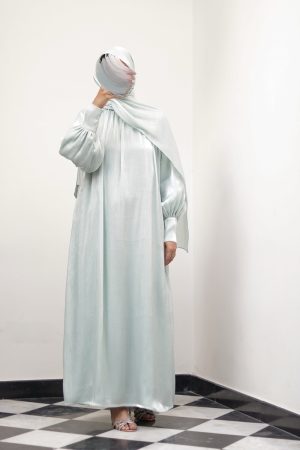
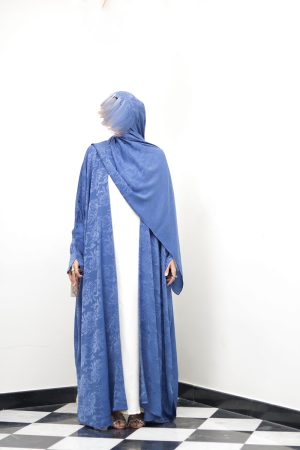

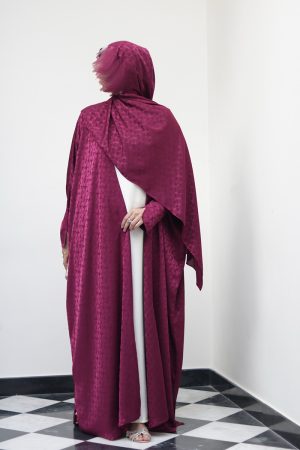
Step away from the glossy malls and into the vibrant heart of Old Dubai. The Deira Abaya Market is a bustling marketplace, or souk, where the air hums with the rustle of fine fabrics and the friendly chatter of commerce. This is where local culture and fashion intersect in a dizzying array of styles, colors, and textures.
With this guide, you’ll gain the confidence to navigate the alleys, understand the fashion, and bargain respectfully, ensuring you find the perfect piece and a memorable story to take home.
How to Get to the Deira Abaya Market & When to Go
Tucked away in Old Dubai, the market is surprisingly easy to reach. While many visitors call it the Deira Abaya Market, you’ll have more success with directions if you use its local name: Naif Souk. Asking for this will ensure any driver or local can point you in the right direction.
Getting there is straightforward:
- By Metro: Take the Green Line to Baniyas Square Station. The souk is just a short, five-minute walk from there, putting you right at the edge of the action.
- By Taxi: Ask the driver to take you to “Naif Souk” in Deira. It’s a well-known landmark, so you won’t have any trouble.
For the best atmosphere, plan your visit for the late afternoon or early evening. The market comes alive after 5 PM when the weather cools and local shoppers arrive. While shops are open in the morning, the bustling energy that makes the souk special is best experienced as the sun goes down.
What to Expect at the Naif Abaya Souk
Stepping into the Naif Abaya Souk is like diving into a river of fabric and energy. The narrow alleyways are packed with small shops overflowing with abayas of every color and style. Expect enthusiastic shopkeepers to stand at their doorways, inviting you in. While a vibrant part of the market’s culture, it can feel intense for a first-timer.
✨ Check Out Our Latest Abayas ✨
A polite smile and a simple, “Just looking, thank you,” works perfectly. For a local touch, you can use the Arabic equivalent, “La, shukran” (pronounced lah, shook-ran), which means “No, thank you.” This simple courtesy is always appreciated and allows you to explore without pressure.
One of the best strategies is to do a full lap first. Walk through the main corridors without feeling obligated to stop. This gives you a mental map of the styles and quality available. Once you’ve seen the options, you can circle back with confidence to take a closer look.
How to Bargain for Abayas in Dubai (Without the Stress)
Once you’ve found an abaya you love, it’s time to bargain. In the souk, this is an expected and friendly conversation, not a confrontation. Approach the interaction with a smile and think of it as a polite negotiation to find a price that works for everyone.
✨ Check Out Our Latest Abayas ✨
The process is a simple, stress-free negotiation:
- Ask for the price. The initial number is just a starting point.
- Make a counteroffer. A good rule of thumb is offering about 50-60% of the asking price.
- Find the middle ground. The shopkeeper will respond with a new price, and you’ll likely settle on a final number somewhere in between.
Throughout the exchange, keep smiling and stay respectful. If the final price is too high, it’s perfectly fine to say “Thank you” and politely walk away. Often, this is the final move that secures a better deal!
Choosing Your Perfect Abaya: Styles and Fabrics
Walking through the market, you’ll notice that while many abayas look similar, the details make all the difference. Most of the latest abaya designs in Dubai souks follow two popular styles. The Classic Cut is a straight, A-line silhouette that drapes elegantly like a long coat. For a more modern feel, look for the Butterfly Cut, which features wide, flowing fabric from the wrist to the body, creating beautiful movement as you walk.
The fabric is just as important as the look. You’ll often hear two names: Nada and Crepe. Nada is a soft, lightweight material prized for its breathability—perfect for the Dubai heat. Crepe is slightly heavier with a rich, textured feel that drapes beautifully, giving it a more formal appearance often seen in traditional Emirati abaya styles.
✨ Check Out Our Latest Abayas ✨
Don’t worry about finding the perfect size immediately. The magic of the souk is how quickly ready-made garments can be altered. If an abaya is too long, almost every shop has a tailor on hand who can make it fit perfectly, often in less than an hour.
What Should You Pay? A Guide to Abaya Prices
For a quality, ready-made abaya in a simple style, a fair price is usually between 80 and 250 AED ($22-$68 USD). This is a fraction of what you’d spend in a mall, highlighting the incredible value found in the old souk.
The price is all in the details. Simple, unadorned pieces are very affordable, while intricate hand-stitched embroidery (tatreez) or crystals will increase the cost. If a design is out of budget, ask the shopkeeper if they have a simpler version.
✨ Check Out Our Latest Abayas ✨
When it comes to paying, cash gives you an edge. Most shops take credit cards, but vendors often give their final best price to cash buyers. Having dirhams on hand is a smart move for getting the best deal.
Beyond the Souk: Making the Most of Your Trip to Old Dubai
You’re ready to step into the heart of Old Dubai with a simple plan: take a lap to browse, bargain with a smile, and find the style that speaks to you. You aren’t just bringing home a garment; you’re carrying back the story of a bustling market, a friendly negotiation, and a genuine piece of the city’s vibrant culture—a memory woven into the fabric itself.
Once you’ve found your perfect piece, your adventure can continue. The glittering Gold Souk is a five-minute walk away, or for just one dirham, you can cross the Dubai Creek on a traditional abra boat to explore the fragrant alleys of the Spice Souk.