burka design and where to shop in UAE
Burka Design and Where to Shop in the UAE
When you hear the word ‘burka,’ you probably picture one specific garment: the full-body, light blue covering seen in Afghanistan. In practice, that’s just one regional style, and many veils people refer to as a “burka” are actually something else entirely.
✨ Check Out Our Latest Abayas ✨
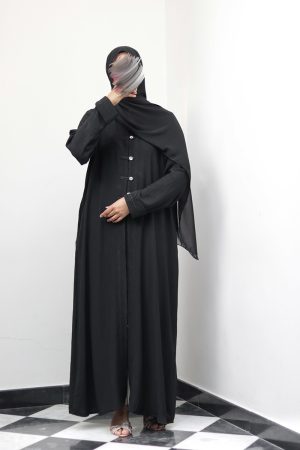
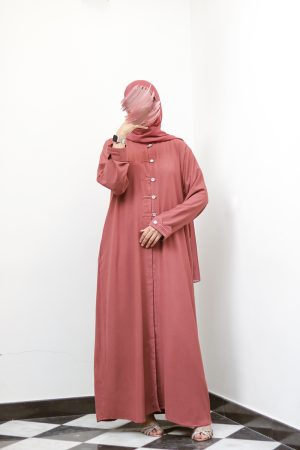
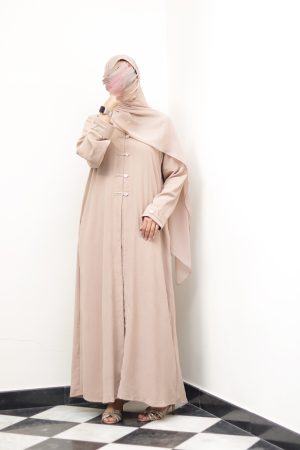
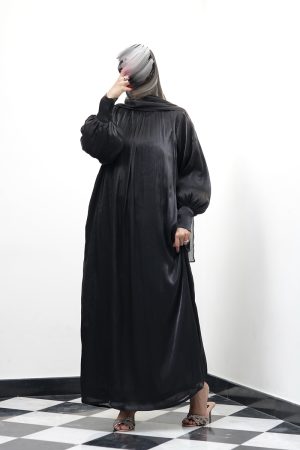
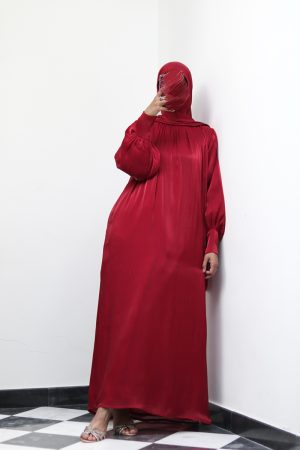
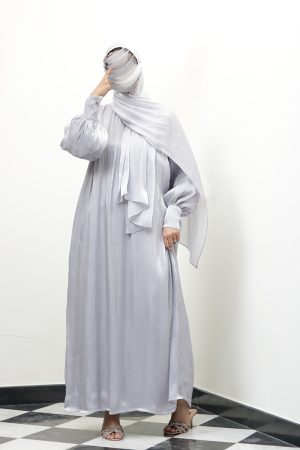
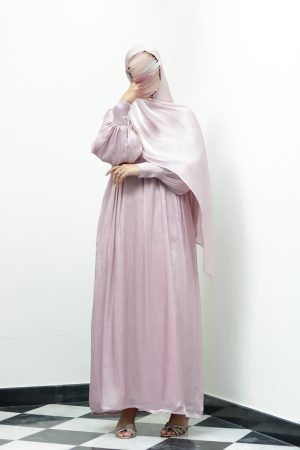
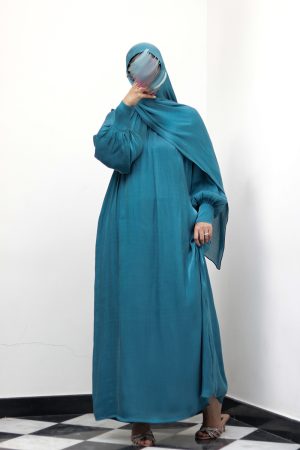
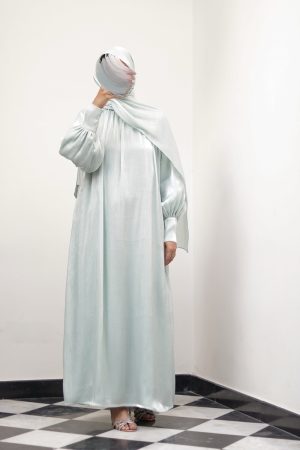
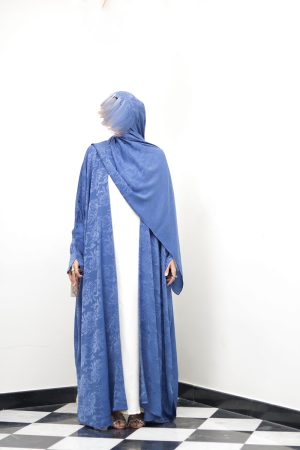

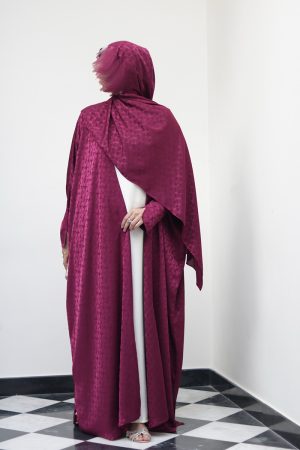
Understanding the world of Islamic face coverings means seeing them not just as symbols, but as functional pieces of design. Each style, from the Afghan burqa to the niqab common in the Gulf, solves a unique set of challenges related to culture, climate, and daily life. The design accounts for everything from material choice in different environments to the clever ways vision is made possible.
What’s the Real Difference? A Visual Guide to Burka, Niqab, and Hijab
In everyday conversation, terms like hijab, niqab, and burka are often mixed up. While all are associated with Islamic modesty, they are not interchangeable. They refer to distinct garments, and the primary difference between them is the level of coverage each one provides.
The most widespread and varied of these is the hijab. A hijab is a headscarf that covers the hair, neck, and often the chest, but it always leaves the face entirely visible. It is worn in countless styles and colors around the world.
A niqab, on the other hand, is a veil that covers the face, leaving a small opening for the eyes. In contrast, the burka is a one-piece garment designed to cover the entire body from head to toe, including a mesh grille or screen over the eyes for the wearer to see through.
Ultimately, knowing what separates these garments comes down to remembering which parts of the head and face are covered.
✨ Check Out Our Latest Abayas ✨
How Does a Burka Actually Work? A Look at Its Functional Design
The full-body garment we identify as a burka—known in Afghanistan as a chadri—is more than just a single piece of cloth. Its design is a clever, two-part construction, beginning with a snug-fitting, embroidered cap that holds the garment in place on the head. Attached to this cap is the long, flowing cloak that drapes to the ground, a key element of the traditional Afghan chadri. This simple structure creates a surprisingly functional piece of clothing.
Perhaps the most misunderstood feature is the eye-grille. The mesh panel functions much like a screen door: your eyes, accustomed to the dim light inside, can easily see out into the brighter world, while outsiders struggle to see in. This piece is often intricately embroidered, allowing for vision without sacrificing privacy—a crucial factor for wearing the burqa comfortably while navigating daily life.
Finally, to accommodate natural movement, the cloak isn’t a straight tube of fabric. The burka design incorporates heavy pleating from the headpiece down. These numerous folds give the garment significant volume, providing the necessary room for the wearer to walk with a full stride without being restricted. This practical choice requires a lot of material, which leads to the question of heat management.
Why Fabric Choice is a Science for Breathable Veils
Choosing a fabric for a burqa involves a delicate balance. The material must be completely opaque to provide privacy, yet lightweight enough to allow air to circulate—a vital feature in hot climates. It’s a fundamental design conflict, as fabrics that block light well often trap heat. Material selection is therefore critical for creating a breathable burqa fabric for summer, transforming it from a potentially heavy covering into a manageable daily garment.
✨ Check Out Our Latest Abayas ✨
While natural fibers like cotton might seem ideal, they can be heavy and may lose their opacity when damp. This is where modern textiles have made a huge difference in modern Islamic veil styles. Fabrics like polyester georgette and, most notably, Nida, are popular solutions. These synthetics are valued for being incredibly light and airy while staying completely non-see-through, even in a single layer.
The preference for lightweight Nida fabric for modest wear highlights a key principle: comfort is not sacrificed for coverage. Its smooth, silky texture drapes beautifully without clinging, feeling comfortable even after hours of wear. This focus on material performance proves that function is just as important as form.
Beyond a Single Color: What Burqa and Niqab Styles Really Mean
While the iconic blue of the Afghan burqa is what many people picture, that color is specific to certain areas, like Kabul. The burqa color meaning and symbolism is often tied to regional tradition, not a universal religious rule. Elsewhere, you are just as likely to see these garments in white, brown, or black, with each color simply reflecting a local custom, much like traditional folk costumes.
✨ Check Out Our Latest Abayas ✨
A closer look reveals these garments are far from uniform. Intricate embroidery patterns for full face veils, especially around the eye-opening, can serve as a form of personal expression or cultural identity. This detailed handiwork transforms a standard garment into a unique piece, showcasing craftsmanship and individual style within a traditional framework.
Design also evolves with modern life. To increase convenience, designers offer integrated styles like abaya with attached niqab options. This combines the cloak and face veil into a single, cohesive garment, streamlining daily wear. This blend of tradition and practicality is a key factor for women selecting the right piece for their specific lifestyle.
How to Choose and Shop for a Burqa or Niqab in the UAE
Finding the perfect fit isn’t about standard dress sizes. When learning how to choose the right burqa size, the primary consideration is length. The ideal garment gracefully skims the ankles or the floor, providing full coverage without becoming a tripping hazard. This focus on height ensures the fabric drapes correctly, maintaining both modesty and ease of movement.
✨ Check Out Our Latest Abayas ✨
Once you have the length, a few simple in-store tests make all the difference. To judge quality and function, shoppers often:
- Check the fabric: Hold it up to a shop light to ensure it isn’t see-through.
- Test the vision: For a niqab, make sure the eye-slot is comfortable and doesn’t obstruct peripheral vision.
Knowing where to shop in the UAE depends on what you’re looking for. Traditional souqs are treasure troves for unique, hand-embroidered pieces. In contrast, modern mall stores stock a wider range of contemporary fabrics and integrated designs. For specific needs, many retailers also provide options for a custom made burqa online.
More Than a Garment: A Story of Design
Beyond a single, common image, the world of Islamic veils is one of functional design and regional identity. The burka is not just a simple covering but a set of clever solutions for vision, movement, and breathability, from its pleated structure to its mesh eye-grille. Fabric choice becomes a science, balancing opacity with comfort in hot climates, while colors and embroidery tell stories of local customs. Understanding these design elements—from the Afghan chadri to the modern niqab—reveals a rich narrative of culture, practicality, and personal expression.