The Abaya: Urdu Interpretation and Context
The abaya is a garment that carries both cultural significance and practical use. Originating from the Middle Eastern regions, the abaya is much more than just a piece of clothing; it is a symbol of identity, modesty, and cultural heritage. In this article, we will explore the definition of an abaya, its cultural importance, and its interpretation in Urdu, along with its historical context and evolving fashion trends.
✨ Check Out Our Latest Abayas ✨



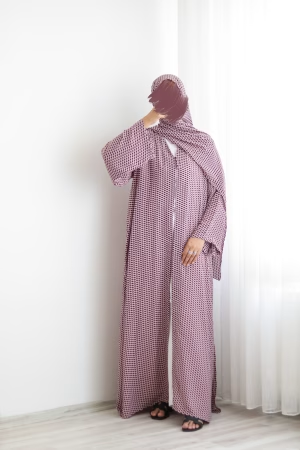

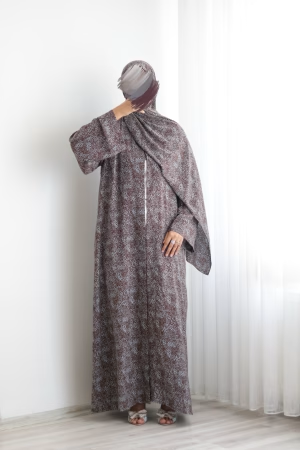



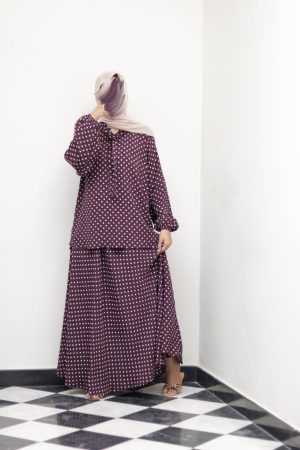



The abaya is a long, flowing black robe typically worn by Muslim women as a part of their traditional attire. It is usually accompanied by a headscarf called a hijab. The primary purpose of the abaya is to cover the body modestly, in line with Islamic principles of modesty. While it is most commonly associated with Middle Eastern countries, its influence has spread globally.
Abaya Definition
The term “abaya” is derived from the Arabic word “عباءة” which translates to “cloak” or “garment.” It is widely recognized in many cultures, especially within the Islamic community, as a symbol of modesty and privacy.
Abaya in Urdu
In Urdu, the abaya is referred to as “عبایہ” (abaya), retaining its original Arabic pronunciation. The interpretation and significance of the abaya in Urdu-speaking regions reflect a blend of cultural and religious values.
Abaya Name Meaning in Urdu
The name “abaya” itself does not possess a direct meaning like some names might. Instead, it is a term that denotes a specific type of clothing. However, when used in names, it can symbolize traits such as modesty and elegance.
Historical Context of the Abaya

The history of the abaya dates back centuries. It has evolved alongside Islamic culture and has been influenced by the socio-political landscape of the regions it is worn in. Traditionally, the abaya was a simple garment made from wool or cotton, designed to provide coverage and protection from harsh climates.
Abaya Culture
In many cultures, the abaya is more than just attire; it is a cultural statement. The way an abaya is worn, styled, and accessorized can reflect personal and cultural identity. In some societies, the abaya has become a canvas for artistic expression, adorned with intricate embroidery and embellishments.
Abaya Fashion
In recent years, the abaya has undergone a transformation from a traditional garment to a fashion statement. Designers from around the world have embraced the abaya, creating modern designs that incorporate various fabrics, colors, and styles. This evolution reflects a blend of tradition and contemporary fashion trends.
✨ Check Out Our Latest Abayas ✨
The Abaya in Modern Society
The abaya continues to hold a prominent place in modern society. It serves as a symbol of cultural pride and religious adherence. While some view it purely as a religious garment, others see it as a fashionable choice that offers both style and modesty.
Abaya Styles
The styles of abayas have diversified over time. From simple, unadorned designs to elaborate, jeweled creations, there is an abaya for every occasion. This diversity allows women to express their personal style while adhering to cultural norms.
Abaya Off Meaning in Urdu
The phrase “abaya off” does not have a direct translation in Urdu. However, it can be understood as the act of removing the abaya, which might be contextually related to privacy or personal choice. In various cultures, removing the abaya in certain settings is a personal decision that may be influenced by situational comfort or necessity.
Abaya Translation and Interpretation
The abaya is a garment with deep cultural roots, and its translation into different languages reflects the nuances of its significance.
Abaya in English
In English, the term “abaya” is used directly, preserving its original Arabic form. This reflects the global recognition of the garment and its cultural importance.
✨ Check Out Our Latest Abayas ✨
Abaya Meaning in Urdu
In Urdu, the abaya carries the same meanings of modesty and cultural identity as it does in Arabic. It is a representation of both religious values and cultural heritage, embodying a sense of dignity and respect.
Abaya Girl Name Meaning in Urdu
When “abaya” is used as part of a girl’s name, it can symbolize modesty, grace, and elegance. While not a common practice, it reflects the value placed on these traits in certain cultures.
Conclusion
The abaya is more than just a garment; it is a reflection of cultural identity, religious adherence, and personal expression. Its interpretation in Urdu and other languages highlights its universal significance. As fashion continues to evolve, the abaya remains a timeless piece, bridging the gap between tradition and modernity. Whether worn for religious reasons or as a fashion statement, the abaya continues to be an integral part of cultural heritage and modern style.