Understanding the Cultural Significance of Khimar in Pakistan
In this article, we explore the cultural relevance of the khimar, its various styles and designs, and its place within Pakistani society. We’ll also touch on the evolving trends in khimar fashion and how it fits into the broader spectrum of Islamic clothing. By delving into these aspects, we aim to provide a comprehensive understanding of why the khimar holds such an esteemed place in both religious and cultural contexts.
✨ Check Out Our Latest Abayas ✨
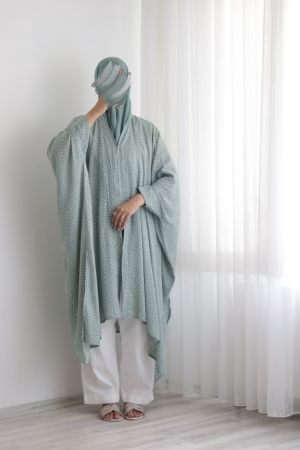
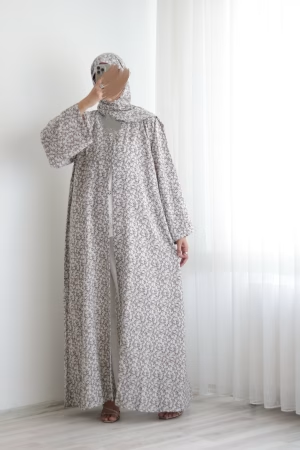
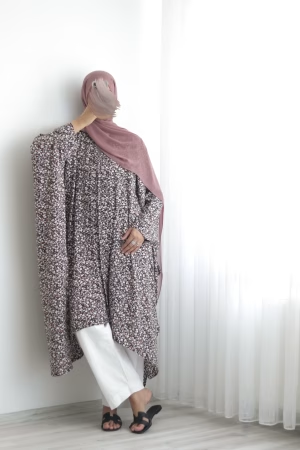
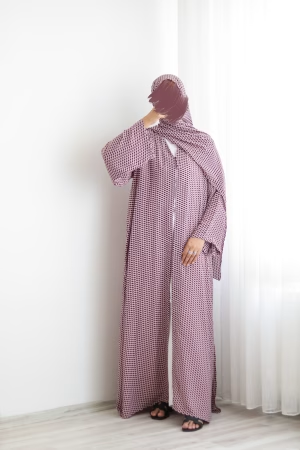
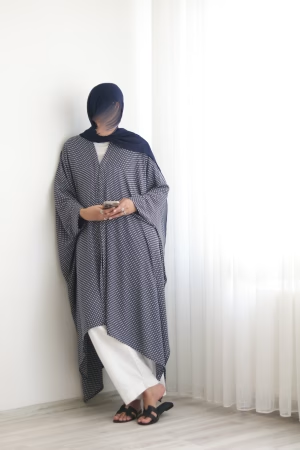
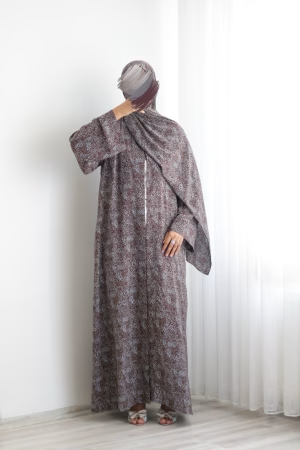
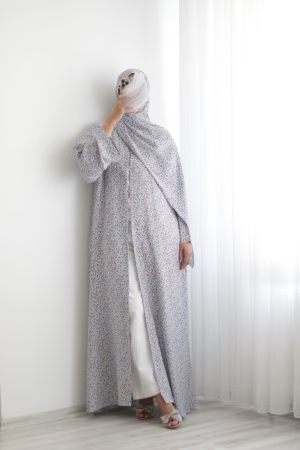
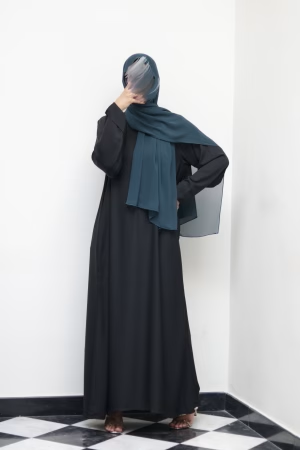
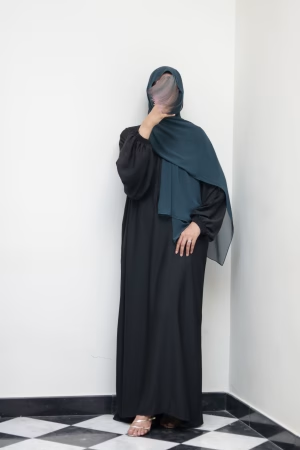
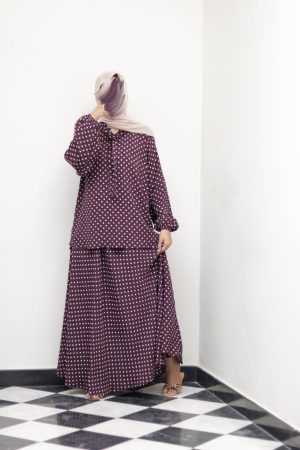
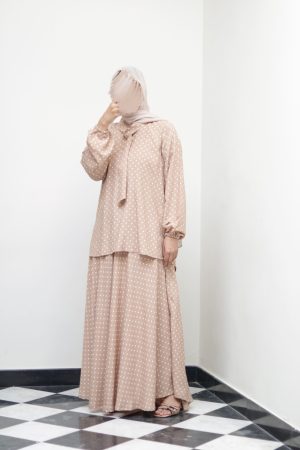
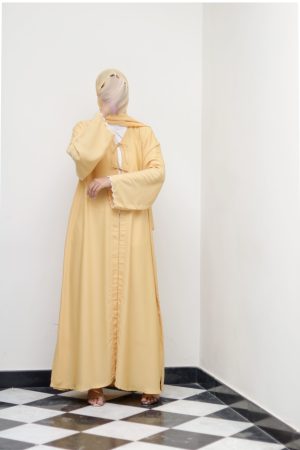

The khimar, often compared to the hijab, is a long, cape-like veil that covers the head, neck, and shoulders. It is a traditional piece of modest wear that aligns with Islamic principles of modesty. In Islam, wearing a khimar is seen as an expression of faith and devotion. It serves the purpose of maintaining modesty while allowing women to express their personal style. The khimar is not merely an accessory but a manifestation of a woman’s spiritual and cultural identity, often passed down through generations as a cherished tradition.
In Pakistan, the khimar holds a significant place in the cultural landscape, with many women choosing to wear it as part of their daily attire. It is often paired with other garments like the abaya to ensure full coverage, adhering to the modesty guidelines set forth in Islamic teachings. The choice of khimar can also reflect a woman’s individual taste and social status, with variations in fabric and embellishments adding layers of meaning and personal expression. Thus, the khimar serves as both a religious garment and a cultural artifact, bridging the gap between personal belief and communal identity.
Varieties of Khimar: Styles and Designs

Traditional and Contemporary Styles
In Pakistan, khimars are available in a wide range of styles and designs, catering to both traditional and modern tastes. Traditional khimars often feature intricate embroidery and are crafted from luxurious fabrics like silk and chiffon. These designs reflect the rich cultural heritage of Pakistan and are often worn for special occasions. The traditional styles are not just about aesthetics; they carry historical significance, echoing the artistry and craftsmanship that have been honed over centuries.
✨ Check Out Our Latest Abayas ✨
On the other hand, contemporary khimars embrace a more minimalist approach, often utilizing solid colors and simpler designs. These modern styles cater to the younger generation of Pakistani women who wish to blend tradition with current fashion trends. The rise of contemporary styles signifies a shift in cultural dynamics, where modernity is embraced without losing touch with traditional roots. This evolution in khimar fashion highlights the adaptability and enduring relevance of this garment in a rapidly changing world.
Khimar Outfits and Abayas
Khimar outfits are often complemented by abayas, which are long robes that provide additional coverage. The combination of a khimar and an abaya creates an elegant and cohesive look, suitable for both everyday wear and formal occasions. In Pakistan, khimar abayas are popular for their versatility and comfort, making them a staple in many women’s wardrobes. The pairing of these garments provides a canvas for creativity, allowing women to experiment with different textures, colors, and accessories to personalize their look.
Additionally, the khimar-abaya ensemble is highly adaptable, able to transition seamlessly from casual settings to formal events. This adaptability makes it an essential part of a woman’s wardrobe, offering practicality without compromising on style. The harmonious blend of khimar and abaya showcases the ability of modest fashion to be both functional and fashionable, catering to the diverse needs of women across Pakistan.
✨ Check Out Our Latest Abayas ✨
Unique Khimar Designs
From embellished borders to unique patterns, khimar designs are as diverse as the women who wear them. Pakistani designers often incorporate cultural motifs and vibrant colors into their khimar collections, resulting in pieces that are not only functional but also visually striking. These designs often draw inspiration from the rich tapestry of Pakistani art, history, and nature, making each khimar a unique expression of cultural identity.
The creativity of designers has led to the emergence of khimars that appeal to a wide range of tastes, from the understated to the extravagant. This diversity in design ensures that there is a khimar to suit every occasion, personality, and preference. By continuously innovating and experimenting with new styles, designers keep the khimar at the forefront of both traditional and contemporary fashion, ensuring its continued relevance and appeal.
The Economics of Khimar: Price and Accessibility

✨ Check Out Our Latest Abayas ✨
by Dewang Gupta (https://unsplash.com/@dewang)
Khimar Hijab Price in Pakistan
The price of khimars in Pakistan varies widely depending on the fabric, design, and brand. While some khimars are affordable and accessible to the average consumer, others, particularly those featuring elaborate designs or crafted from high-end materials, can be quite expensive. This range in pricing reflects the varied economic realities of Pakistan, where consumer choices are influenced by factors like income, social status, and personal preference.
The khimar hijab price in Pakistan is influenced by factors such as the quality of the fabric, the intricacy of the design, and the brand’s reputation. As demand for modest wear continues to grow, many local designers and brands have emerged, offering a diverse range of khimars to cater to different tastes and budgets. This growing market has encouraged competition, leading to innovation in design and pricing strategies that make khimars more accessible to a broader audience.
✨ Check Out Our Latest Abayas ✨
Accessibility and Availability
In recent years, the availability of khimars in Pakistan has increased significantly, with many local and international brands offering a variety of styles. Online shopping platforms have further enhanced accessibility, allowing women to browse and purchase khimars from the comfort of their homes. This ease of access has contributed to the growing popularity of khimars as a staple of Islamic clothing in Pakistan. The digital marketplace has democratized fashion, enabling women from all walks of life to explore and acquire khimars that align with their personal style and budget.
Moreover, the rise of e-commerce has provided a platform for smaller, independent designers to reach a wider audience, fostering diversity and creativity within the khimar market. This increased accessibility has empowered women to make informed choices, supporting brands that resonate with their values and aesthetic preferences. As the market continues to evolve, the khimar remains a dynamic and integral part of the fashion landscape in Pakistan.
Khimar Fashion and Trends
Evolving Hijab Trends
The fashion landscape for khimars is constantly evolving, with new trends emerging each season. In Pakistan, khimar fashion has become increasingly diverse, with designers experimenting with different fabrics, colors, and patterns to create innovative looks. This evolution is driven by a desire to balance tradition with modernity, resulting in khimars that are both stylish and culturally significant.
✨ Check Out Our Latest Abayas ✨
One notable trend is the incorporation of Western fashion elements into traditional khimar designs. This fusion of styles has resulted in unique pieces that appeal to a broader audience, bridging the gap between tradition and modernity. By blending different cultural influences, designers are able to create khimars that are both contemporary and deeply rooted in Pakistani heritage, appealing to both local and global audiences.
Modest Wear and the Global Fashion Scene
The concept of modest wear has gained traction on the global fashion stage, with many international designers incorporating elements of Islamic clothing into their collections. This trend has not only increased the visibility of khimars but also highlighted the beauty and versatility of modest fashion. As a result, khimars have become a symbol of cultural exchange, showcasing the richness of Islamic heritage to a global audience.
In Pakistan, this global influence has encouraged local designers to push the boundaries of khimar fashion, resulting in collections that are both innovative and deeply rooted in cultural heritage. By participating in this global dialogue, Pakistani designers are able to showcase their unique perspectives and contribute to the broader conversation on fashion and identity. The khimar, therefore, stands as a testament to the enduring relevance and adaptability of modest fashion in a rapidly changing world.
✨ Check Out Our Latest Abayas ✨
Conclusion
The khimar is a symbol of cultural pride and religious devotion in Pakistan. Its significance extends beyond its function as a piece of clothing, representing a rich history and a vibrant future. As khimar styles and designs continue to evolve, they offer women in Pakistan a way to express their identity while remaining true to their beliefs. The khimar serves as a bridge between tradition and modernity, reflecting the dynamic interplay between cultural heritage and contemporary fashion.
Whether worn for religious reasons or as a fashion statement, the khimar remains an integral part of Pakistani culture, embodying the timeless elegance and diversity of Islamic clothing. As it adapts to meet the changing needs and preferences of women, the khimar continues to be a source of inspiration and empowerment, celebrating the beauty of modesty in all its forms.