Exploring the Best abaya mall Worldwide
Exploring the Best Abaya Mall Worldwide
When you picture an abaya, what comes to mind? For many, it’s a simple, black cloak. But what if that single garment was the centerpiece of a multi-billion dollar fashion industry, complete with runway trends, designer labels, and entire shopping malls dedicated to it? This isn’t a hypothetical; it’s the reality of a modern fashion landscape that is hiding in plain sight. From abaya mall Dubai to abaya mall Abu Dhabi, these destinations spotlight modest wear and showcase fashionable abayas alongside timeless classics.
✨ Check Out Our Latest Abayas ✨
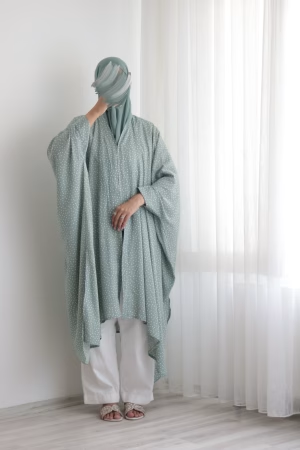
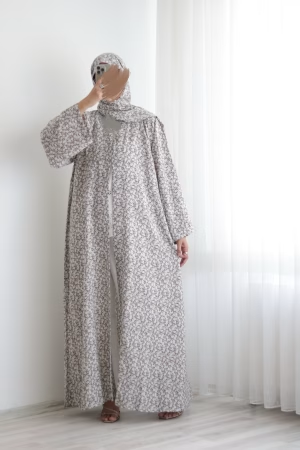
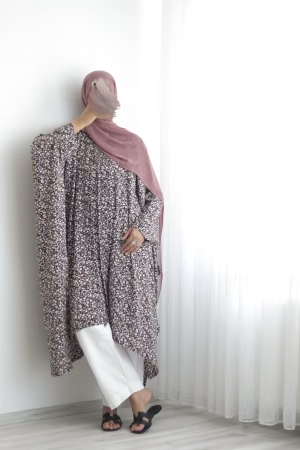
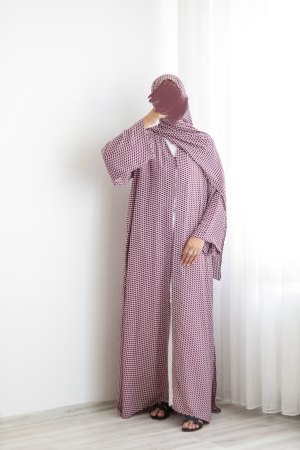
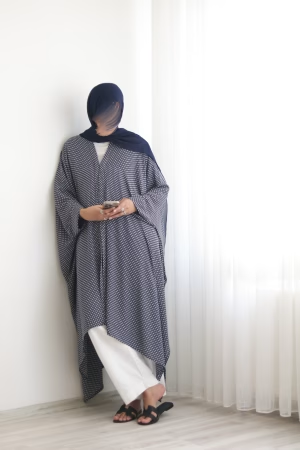
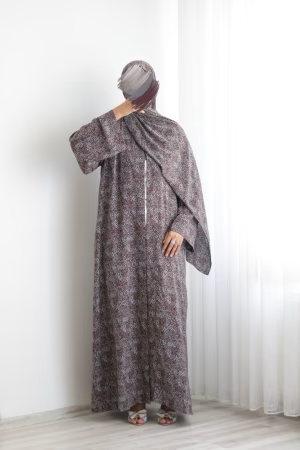
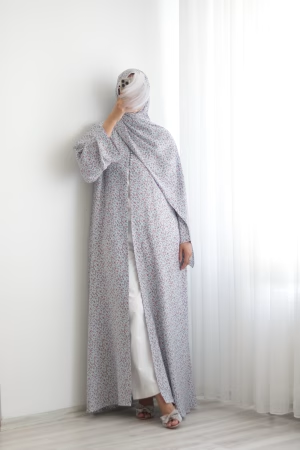
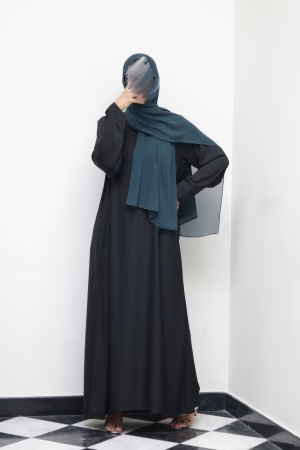
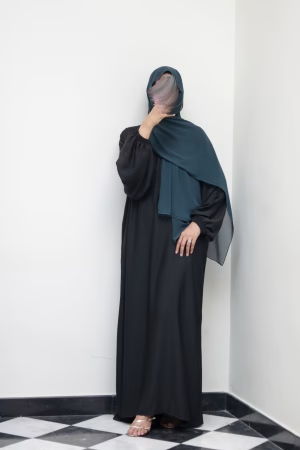
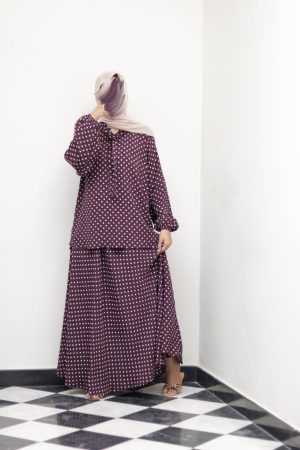
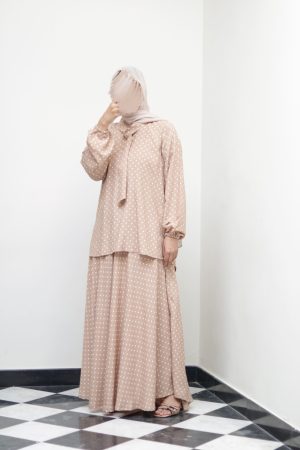
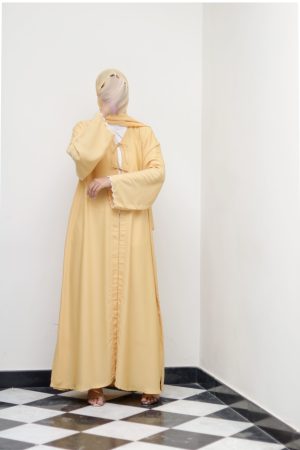
Think of an abaya shopping mall less like your typical retail space and more like a dedicated fashion district—like Savile Row for suits, but focused entirely on one iconic garment. You won’t find sprawling food courts or electronics stores here. Instead, you’ll discover rows of boutiques where storefronts shimmer with intricate embroidery, delicate beadwork, and fabrics ranging from classic matte black to rich, jewel-toned satins. The entire atmosphere is a deep dive into culture, identity, and sartorial art. Many mall boutiques curate stylish abayas and limited abaya collections that feel like mini-runways.
This hyper-specialized environment offers an unparalleled shopping experience. At a dedicated abaya center , a woman can buy abaya styles for every conceivable occasion, all under one roof. One shop might feature affordable, ready-to-wear designs for daily life, while its neighbor showcases haute couture creations from renowned designers. It’s a place where tradition meets trend, and a single garment reveals a world of variety. From affordable abayas to luxury abayas, you’ll find refined abaya outfits for everyday wear and special events alike.
Decoding the Abaya: Why You’ll Find More Than Just Black Fabric
Stepping into an abaya boutique, you’ll quickly discover that fabric is the foundation of all modern abaya styles. Far from being a single type of material, designers use a diverse range of textiles to create different effects, from everyday comfort to evening glamour. The most common choices include:
- Nada Crepe: The go-to for daily wear; it’s lightweight, durable, and flows beautifully.
- Linen: A popular choice in hot climates for its exceptional breathability and relaxed feel.
- Silk or Satin: Reserved for formal occasions, offering a luxurious sheen and elegant drape.
These choices lie at the heart of abaya fashion and evolving abaya styles.
✨ Check Out Our Latest Abayas ✨
Beyond the material itself, color has become a powerful tool in contemporary abaya designs. While the classic black abaya remains a timeless staple of elegance, many women now use color to express personal taste or suit an occasion. In a modern shop, you’ll find everything from earthy neutrals for a minimalist look to rich jewel tones like emerald and sapphire for evening events, often accented with subtle, sophisticated embroidery.
Finally, the cut of the garment dramatically alters its personality and feel. A straight, streamlined abaya offers a sharp, professional look, while a wider, more generous cut—like the flowing “butterfly” style—creates a softer, more dramatic silhouette that moves gracefully with the wearer. Together, these elements of fabric, color, and cut transform the abaya from a simple garment into a versatile and personal statement of style. Across abaya collections worldwide, these abaya designs help shoppers compare options at any abaya mall.

✨ Check Out Our Latest Abayas ✨
The Language of Style: 3 Common Abaya Designs and When to Wear Them
While fabric and color set the mood, the cut of an abaya defines its silhouette and purpose. Think of it like the difference between a cocktail dress and a business suit; each style communicates something different. Exploring any modern abaya collection reveals a few key designs that have become staples, forming a visual language of modest fashion.
One of the most popular and recognizable abaya trends is the Butterfly style, also known as a Farasha. You can spot it instantly by its incredibly wide, flowing sleeves that often attach to the body of the garment, creating a graceful, wing-like effect. This design is all about movement and elegance, making it a favorite for social gatherings and evening events where its soft, flowing silhouette can be fully appreciated.
For more formal occasions, the Bisht abaya offers a sense of regal sophistication. Inspired by traditional Emirati abaya designs and the formal cloak worn across the Arabian Peninsula, this style is typically cut wider and worn open at the front, draping over the shoulders like a cape. Often crafted from rich fabrics with intricate embroidery along the edges, the bisht is reserved for special events like weddings and receptions, adding a layer of stately elegance to an outfit.
✨ Check Out Our Latest Abayas ✨
Finally, the Classic Straight-Cut is the versatile foundation of many wardrobes. As the name suggests, this design features clean, straight lines from shoulder to hem for a more tailored and understated look. Its functional simplicity makes it incredibly practical for daily life, from the office to running errands, serving as a perfect canvas for personal expression through accessories. Knowing these fundamental styles helps you navigate the dazzling variety of modern abayas.
A First-Timer’s Guide to Navigating an Abaya Mall
Armed with an eye for different styles, you might wonder what the shopping experience itself is like. The first thing to know is that buying an abaya is a tactile process. Unlike in some high-end boutiques where touching is discouraged, here it is expected. Running your hand over the fabric is part of appreciating the craftsmanship, so feel free to compare the weight of a formal crepe with the soft flow of a casual material. This is a key first step in any abaya shopping guide for tourists. Many first-time visitors start by searching phrases like “abaya center near me” or “abaya market near me” to map out nearby options.
✨ Check Out Our Latest Abayas ✨
Navigating the sheer number of choices is made easier by the helpful staff. Especially in a global hub like Dubai, shopkeepers are typically multilingual and act as knowledgeable style consultants. Don’t hesitate to ask for assistance. Whether you want to buy abaya for a specific event or simply find a comfortable fit, they can guide you through the collections, explain the details of a particular cut, and suggest a matching shayla (headscarf) to complete the look.
When you’re ready to try something on, you’ll be shown to a private fitting room. One thoughtful custom you may encounter is being offered a small, disposable hood to wear. This isn’t a religious item but a simple, hygienic measure to protect the abaya’s delicate neckline from makeup. It’s a small detail that speaks to the care and quality invested in the garments, ensuring every piece remains perfect for its future owner.
Luxury vs. Affordable: How to Spot a High-Quality Abaya
As you handle the different fabrics, you might wonder what separates a daily-wear abaya from a luxury piece. The first clue is often in the fabric’s substance and the stitching. A quality abaya, even one made of a lightweight material like crepe, won’t be see-through when you hold it up. Look closely at the seams; the stitching on luxury abayas is dense and even, much like a finely tailored suit, ensuring the garment holds its elegant shape and lasts for years.
✨ Check Out Our Latest Abayas ✨
Beyond the base fabric, the ornamentation tells a story of craftsmanship. Many high-end abayas feature intricate embroidery done with Qasab, a glistening metallic thread that traditionally signified status and artistry. On a premium garment, this embroidery or any hand-applied beadwork will feel substantial and secure, with no loose threads or visible glue. In contrast, more affordable abayas might use decorations that are quickly machine-stitched or even ironed on.
These elements of quality—superior fabric and careful construction—contribute to what designers call “drape.” This is simply how the garment hangs and moves with your body. A well-made abaya flows beautifully, falling straight from the shoulders without clinging or bunching in awkward places. This graceful movement is often the most obvious, yet hardest-to-define, sign that you are holding a piece of true quality.
However, even the highest quality abaya only shines when it fits correctly. A garment of the wrong size or length can disrupt that beautiful drape, no matter how exquisite the material, which leads to the crucial step of finding the perfect fit.
✨ Check Out Our Latest Abayas ✨
Your Perfect Fit: How to Choose the Right Abaya Size and Length
Unlike dresses or coats that use bust and waist measurements, abaya sizing is refreshingly simple. The primary measurement is length, which corresponds directly to your height. When you see a size like “52,” “54,” or “56,” that number is the length of the garment in inches, measured from the top of the shoulder down to the hem. This is the most critical detail when you want to buy an abaya, as the right length is the foundation of a graceful fit.
For that perfect, elegant drape, an abaya should ideally end right at your ankle or just skim the tops of your feet. This prevents the fabric from dragging on the floor or becoming a tripping hazard while still providing full coverage. If you’re looking to buy abaya online, here’s a simple tip for navigating abaya online sizing: stand straight and have someone measure from the highest point of your shoulder down to your ankle. That number in inches is your target size, making it much easier to know how to choose the right abaya size from home.
With length determined, the question of width is much simpler. Most abayas are designed with a generous, one-size-fits-most cut to ensure a loose, modest silhouette that doesn’t cling to the body. While this standard width works for most people, some boutiques offer “slim-fit” or “wide-fit” versions for a more tailored or even roomier feel. Once you’ve found the abaya that fits you perfectly, you can begin exploring the other elements that complete the look.
✨ Check Out Our Latest Abayas ✨
Beyond the Abaya: Exploring the Complete Modest Wardrobe
An abaya is the stunning centerpiece, but the look is completed with its essential partner: the shayla. This is the long, rectangular scarf you’ll see gracefully styled around the head and shoulders, and an abaya shop is often filled with them. Just like the abayas they accompany, shaylas are a world of their own, available in every imaginable color and fabric—from airy chiffon to soft-spun cotton. Boutiques often display them in coordinated sets with a matching abaya, but also as standalone pieces, allowing women to create a unique look with a contrasting pop of color.
The sensory experience goes beyond sight and touch. As you wander through an abaya mall, a warm, aromatic fragrance often fills the air. This comes from bakhoor , which are fragrant woodchips burned as incense. Traditionally, women allow this perfumed smoke to permeate the fabric of an abaya, a key part of abaya care that gives the garment a subtle and lasting scent. Alongside this, you will find precious oils and perfumes, most notably oud—a deep, rich fragrance derived from rare agarwood that adds a final touch of luxury.
✨ Check Out Our Latest Abayas ✨
These specialized malls function as a complete outfitter for a modest wardrobe. From the main garment to the perfectly matched headscarf and the traditional scents that complete the ensemble, everything is under one roof. This transforms shopping from an errand into a curated experience, a principle that top designer abaya boutiques online have also adopted.

Where to Go: A Glimpse into the World’s Famous Abaya Hubs
While the concept of a dedicated modest fashion hub is growing globally, Dubai remains the undisputed epicenter. To truly understand the shopping culture, you need to know about the two distinct environments where abayas are sold: the dedicated abaya center and the luxury mall boutique. Each offers a completely different experience.
✨ Check Out Our Latest Abayas ✨
The heart of the city’s trade is the dedicated abaya center Dubai is famous for, and the most legendary is Abu Hail Centre . Walking into Abu Hail is like diving into an ocean of abayas. Instead of a handful of stores, you’ll find dozens of independent shops packed under one roof, creating a vibrant, market-like atmosphere. The focus here is on immense variety and customization. Shoppers browse endless racks of styles, and it’s common to have a tailor on-site ready to perfect the fit of your abu hail center dubai abaya within an hour. Locals often refer to it as abaya center abu hail, a landmark for custom work and everyday value.
In stark contrast, the world-renowned luxury shopping malls like The Dubai Mall offer a more curated, high-fashion experience. Here, you won’t find a concentrated hub. Instead, you’ll discover individual designer abaya boutiques nestled between global fashion giants like Chanel and Dior. These stores present the abaya as couture, showcasing limited collections made from exclusive fabrics with price tags to match, and many are set among polished mall boutiques.
Beyond Dubai’s flagship destinations, regional hubs continue the story: Abaya Mall Abu Dhabi caters to families and travelers, while Ajman Abaya Mall (sometimes listed as Abaya Mall Ajman) offers variety at approachable prices alongside community favorites like abaya center ajman. Within the city, Mirdif Abaya Mall—also known as Abaya Mall Mirdif Dubai—delivers neighborhood convenience with a solid mix of brands. You may even spot specialty names such as sweet lady abaya arabian center when browsing directories or maps.
✨ Check Out Our Latest Abayas ✨
The distinction between a bustling souk-style center and a sleek shopping center for abayas defines the experience. One is an immersive world of endless choice and everyday value, while the other is a showcase for brand prestige and runway-ready artistry. Both destinations prove just how central the abaya is to the region’s fashion identity.

Your Journey Into Abaya Fashion Starts Here
Where you once might have seen a simple, uniform garment, you can now recognize a dynamic world of design. You’ve journeyed past the surface to see the abaya as a canvas for creativity—a piece that balances timeless tradition with the latest trends in global abaya fashion. You are now equipped to see the nuance, artistry, and individuality where others may only see conformity.
✨ Check Out Our Latest Abayas ✨
Your new knowledge invites you to see differently. The next time you encounter an abaya, whether online or in the world, pause and notice the details: the cut of the sleeve, the choice of fabric, the subtle embroidery. This simple act of observation is the first step in any true abaya shopping guide—learning to appreciate the artistry and personal choice involved.
An abaya mall is no longer just a place to shop, but the living showcase of a global modest fashion movement. Fashion is a universal language. In understanding the abaya, we don’t just see a garment; we begin to hear a vibrant conversation about heritage, identity, and personal expression that connects us all.