The Rise of Luxury Abaya in Fashion
Forget the simple black robe. The world’s most elegant abayas are now couture statements—think couture abaya creations—with some pieces commanding prices similar to a designer gown or a luxury abaya dress and taking hundreds of hours to create. When you hear the word “abaya,” many picture a plain, uniform garment, but a quiet revolution in fashion has transformed it into a canvas for exquisite artistry. In this new era, the modern luxury abaya is both heritage and high fashion. So, what elevates a practical garment into the realm of a premium abaya?
✨ Check Out Our Latest Abayas ✨
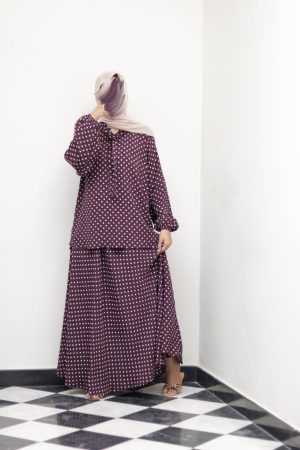
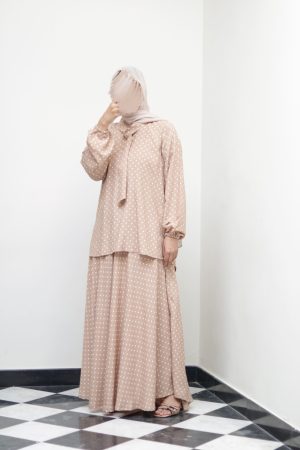
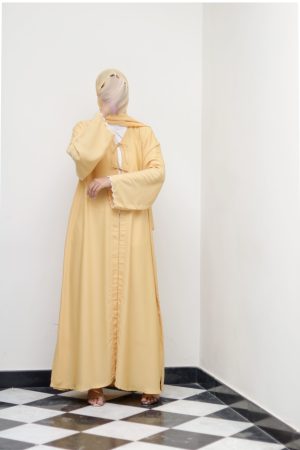
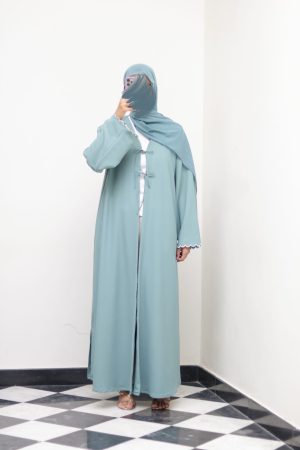
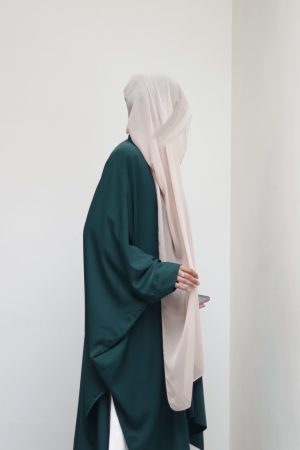
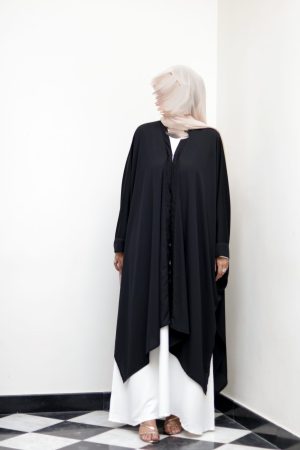
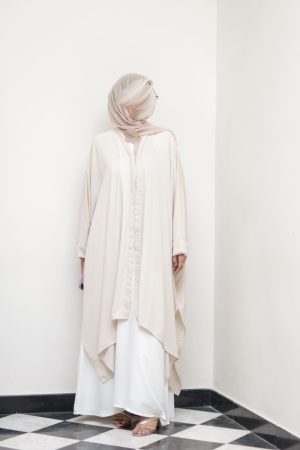
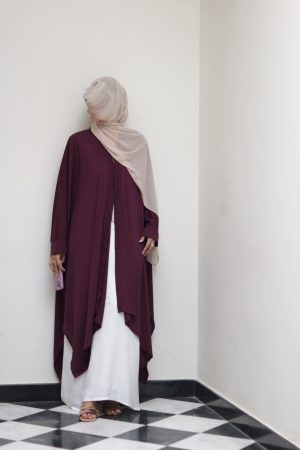
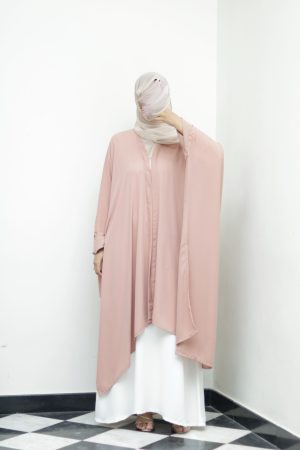
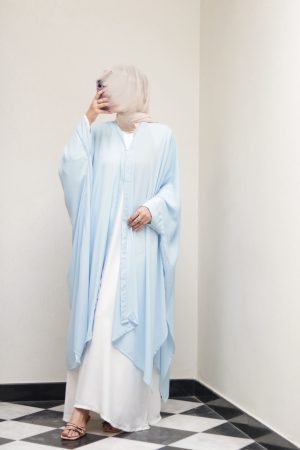
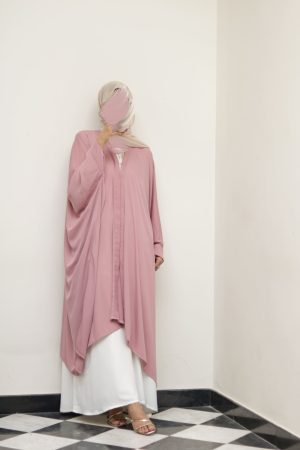
More than any other factor, the answer lies in the fabric. While a standard abaya might be made from a basic polyester, a high-end abaya begins its life as a roll of exceptional, purpose-chosen textile. The material isn’t just a detail; it is the very foundation of the garment’s look, feel, and movement, distinguishing it from all others before a single stitch is sewn. This is where many luxury abaya designs begin to differentiate themselves.
Consider the celebrated Nida fabric, a lightweight polyester prized by designers for its remarkably soft, silky feel. In practice, its value comes from its ability to create a graceful, sweeping silhouette that flows with the wearer. The liquid-like movement of Nida is what gives an abaya that signature elegant and ethereal quality, making it a go-to for designers aiming for pure fluidity and an elegant abaya silhouette.
For a completely different aesthetic, designers turn to materials like Japanese Crepe. This fabric is sought after for its heavier weight and subtly textured surface, which results in a more structured and formal drape. Choosing between Nida fabric vs crepe is like a couturier deciding between gossamer chiffon and rich wool—each one is a deliberate choice that dictates whether the final piece will be flowing and romantic or architectural and commanding, the foundation of a fashionable abaya that stands out.
From Straight Cut to Farasha: How Silhouette Defines a Designer Abaya
While many picture a simple, straight robe, the world of luxury abayas is defined by its diverse and intentional shapes. Just as a couturier chooses between an A-line or a ballgown silhouette to create a specific mood, an abaya designer uses the cut to craft a statement. This foundational choice transforms the garment from a simple covering into a piece of wearable architecture, dictating how it drapes, moves, and interacts with the light to create a stylish abaya profile.
✨ Check Out Our Latest Abayas ✨
Perhaps the most dramatic of these is the Farasha or Bisht cut. “Farasha,” meaning ‘butterfly’ in Arabic, perfectly describes its form. This style is exceptionally wide, flowing from the shoulders in a cascade of fabric that creates a breathtaking, wing-like effect with every movement. Unlike a fitted garment, its beauty lies in its generous volume and the elegant way it drapes, turning a simple walk into a graceful, sweeping entrance—often the choice for a chic abaya moment at special occasions, what some might even call a fancy abaya silhouette.
In contrast, the Kimono cut offers a more structured and contemporary aesthetic. Inspired by the traditional Japanese garment, this luxury abaya kimono interpretation features an open front, defined shoulders, and distinct sleeves. Its clean lines make it a versatile layering piece, often worn open over an outfit like a chic, longline jacket. This cut allows for more creative styling, giving a glimpse of the clothing underneath while maintaining an overall sense of modest elegance.
The silhouette, then, is the designer’s primary canvas. It sets the tone before a single bead is sewn or a thread of embroidery is woven. But once this foundational shape is chosen, the artistry deepens. The next layer of luxury is revealed in the embellishments that adorn the fabric, turning a beautifully cut garment into a true work of art.
✨ Check Out Our Latest Abayas ✨

The Art of Adornment: What Hand-Embroidery and Crystals Reveal About Quality
If the silhouette is the designer’s canvas, then the adornment is the artist’s signature. This is often where the line between a standard garment and a luxury piece becomes sharpest—true couture abaya finishing is immediately visible. While a simple abaya might feature machine-stitched patterns, a premium design showcases meticulous craftsmanship that you can see and feel, turning the fabric into a rich tapestry of detail.
Much like the intricate beadwork on a couture gown, modern abaya designs with hand embroidery are a testament to hours of patient, skilled labor. This is not the flat, uniform stitching of a machine. Instead, hand-applied threadwork feels raised to the touch, creating depth and texture with intricate floral motifs or geometric patterns that flow along a cuff or cascade down the front. This human touch, with its subtle and perfect imperfections, is a hallmark of true luxury.
✨ Check Out Our Latest Abayas ✨
This commitment to premium materials extends to the sparkle. It’s easy to overlook the tiny crystals that embellish an abaya, but their quality speaks volumes. Designers who create an abaya with Swarovski crystal embellishments are making a clear statement. Unlike dull plastic rhinestones that can cheapen a garment, authentic Swarovski crystals are precision-cut to catch and refract light with unparalleled brilliance, adding a sophisticated shimmer that signals investment in every last detail.
These thoughtful details—the patient work of an embroiderer, the specific glint of a well-cut crystal—are what makes an abaya considered premium. They transform the garment from a daily essential into a piece of wearable art. This level of artistry creates a statement piece worthy of a gallery, yet designed for life’s most elegant moments.

✨ Check Out Our Latest Abayas ✨
How to Style a Designer Abaya for a Formal Wedding or Event
A designer abaya’s true versatility shines when it’s treated not just as a garment, but as a sophisticated layering piece. Think of a luxury abaya styled as a refined topper over eveningwear. For formal events, an open-front abaya acts much like a luxury duster coat or a flowing evening jacket, framing your outfit while adding an element of grace and drama. The key is to create a deliberate, cohesive look where the abaya elevates what’s worn beneath it. This approach is one of the best ways to style a designer abaya for events, turning modesty into a powerful fashion statement.
Knowing how to build the perfect ensemble is simple once you have a couple of go-to formulas. These open-front abaya styling ideas work beautifully for almost any upscale occasion:
✨ Check Out Our Latest Abayas ✨
- The Elegant Wedding Guest: Layer your abaya over a floor-length silk slip dress in a complementary jewel tone, like emerald green or rich sapphire. The abaya provides coverage and movement—an elegant abaya effect—while the silk underneath catches the light. Finish with metallic heels and a delicate clutch for a look that is both refined and celebratory, making it the best abaya for a formal wedding guest appearance.
- The Chic Evening Gala: For a more contemporary feel, pair the abaya with tailored, wide-leg cream trousers and a matching silk camisole. This creates a clean, elongated column of color that looks incredibly polished, creating a chic abaya moment.
The final touches are what truly customize your look. Cinching your open abaya at the waist with a thin leather or metallic belt instantly creates a more defined silhouette, transforming its flow into a structured shape. Add a pair of statement earrings that echo any embellishments on the abaya and a simple, elegant handbag. With these elements combined, the abaya becomes the centerpiece of a thoughtful, high-fashion ensemble, proving its place in the modern luxury wardrobe. If you prefer timeless minimalism, a women luxury open abaya black with a coordinated luxury hijab reads effortlessly polished. Of course, the designer behind the abaya matters just as much as how you style it. So, who are the most exclusive abaya brands to know?

Who Are the Most Exclusive Abaya Brands to Know?
The world of luxury abayas and luxury abaya brands revolves around a few key creative centers, with Dubai and London leading the charge. Dubai is often seen as the epicenter, where tradition meets trendsetting design, and a search for a luxury abaya dubai or luxury abaya dubai online reveals a dazzling spectrum of styles you can also shop as luxury abaya online. Simultaneously, a growing number of designers in the UK are reinterpreting the garment for a global audience, establishing a distinct luxury abaya brand uk scene known for its modern, urban sensibility. These two hubs, while different, have become the go-to sources for high-end, contemporary modest wear.
✨ Check Out Our Latest Abayas ✨
What truly defines a designer abaya, however, isn’t just its origin but its unique artistic signature seen across luxury abaya designs. Just as you can distinguish a classic Burberry trench coat from a minimalist The Row duster, abaya designers cultivate specific aesthetics. Some brands are celebrated for their breathtaking hand-embroidery and beadwork, turning each piece into a wearable work of art. In contrast, others are masters of architectural tailoring, focusing on innovative cuts and the perfect drape of a rare fabric. Choosing a brand is about aligning with a particular creative vision.
Ultimately, a designer name on an abaya serves the same purpose as it does on a couture gown or a bespoke suit: it’s a promise. It guarantees not only a distinct point of view but also an uncompromising commitment to quality, from the choice of fabric to the precision of the final stitch. This level of craftsmanship means these are investment pieces. And like any valuable investment, they require special attention to maintain their beauty over time.
A Practical Guide: Caring for Your Delicate Abaya Investment
Protecting your investment starts the moment you bring it home. For a premium abaya adorned with intricate beadwork, delicate embroidery, or crafted from structured fabrics, the safest and most reliable method is professional dry cleaning. Think of it like caring for a fine silk blouse or a beaded evening gown; this step is non-negotiable to preserve the fragile details and the integrity of the fabric’s unique texture, ensuring its beauty endures.
✨ Check Out Our Latest Abayas ✨
That doesn’t mean every minor incident demands a trip to the cleaners. For a small, fresh spill, immediate action can save the day. Gently blot the affected area with a clean, slightly damp, lint-free cloth. The key is to dab, not rub, as aggressive rubbing can set a stain or distort the delicate weave. This simple technique is especially crucial when caring for delicate silk abaya styles, which are sensitive to water marks and friction.
Beyond cleaning, long-term preservation comes down to proper storage. To maintain the beautiful drape and prevent damage, always place your abaya on a sturdy, padded hanger. Folding can create permanent creases in fine fabrics like crepe and put unnecessary, damaging strain on embellishments over time. Proper care ensures your garment remains a timeless and elegant piece, ready to wear for any occasion.
The Abaya’s New Identity: A Timeless Symbol of Modesty and Modern Style
Once seen as a simple garment, the abaya today is a world of detail—a canvas for artistry, carrying stories in its seams and surfaces. The journey from a uniform robe to a high-fashion statement is built on a rich and nuanced language of luxury, producing a fashionable abaya that feels timeless.
✨ Check Out Our Latest Abayas ✨
The appreciation for a modern abaya comes from recognizing its thoughtful construction. The specific weight of a fine crepe creates an elegant drape, while a generous, flowing Farasha cut defines a dramatic silhouette. A truly stylish piece reveals its quality not in a logo, but in the meticulous hand-sewn embellishments and flawless craftsmanship that signal an investment in artistry.
Ultimately, the abaya is far more than just a piece of clothing. It is an interplay of heritage and modern design—a powerful, evolving statement of identity and a beautiful contribution to global fashion.