Understanding the Cultural Significance of Saudi Niqab

✨ Check Out Our Latest Abayas ✨
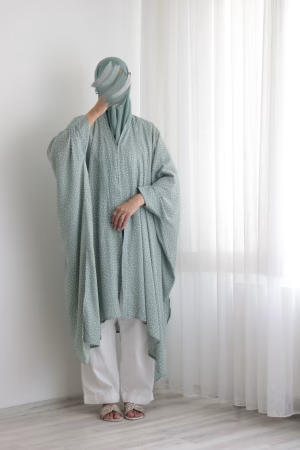
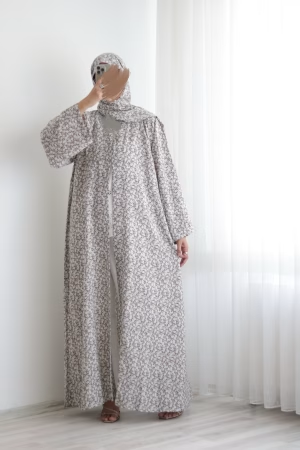
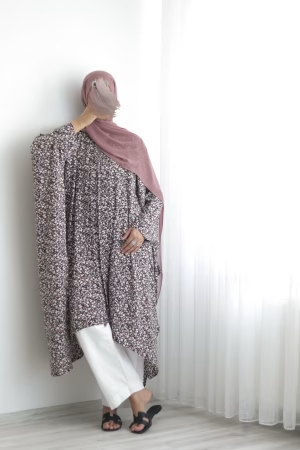
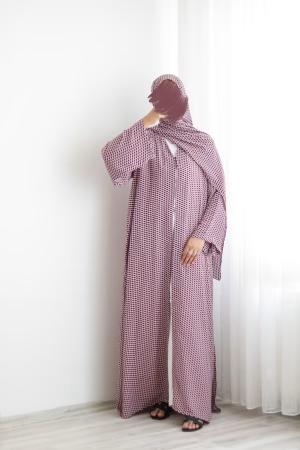
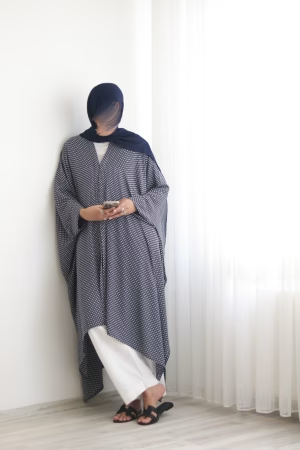
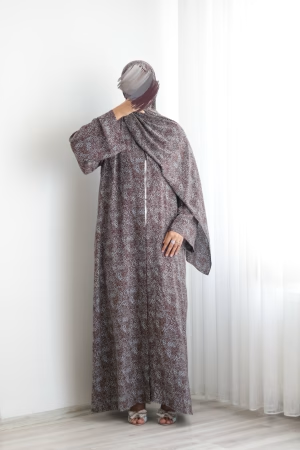
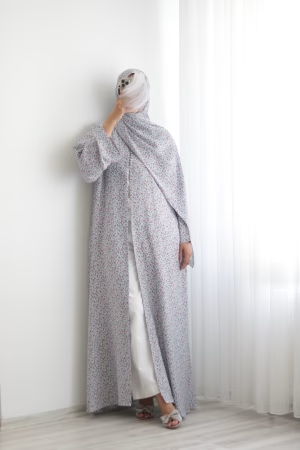
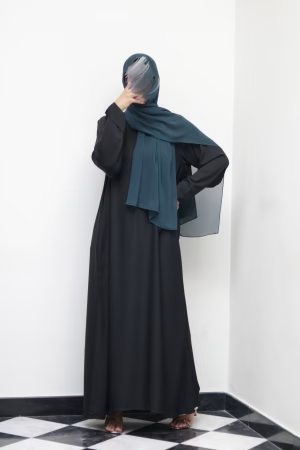
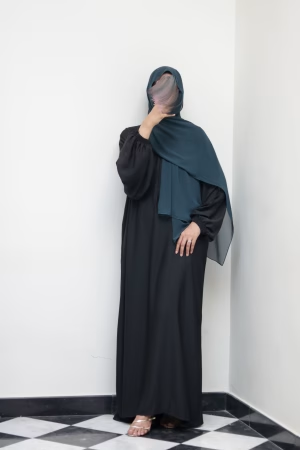
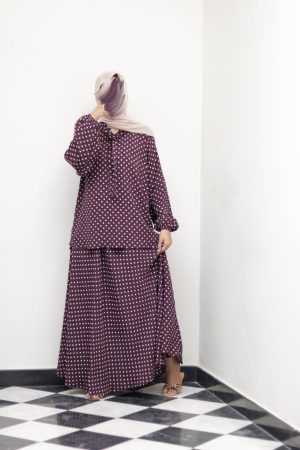
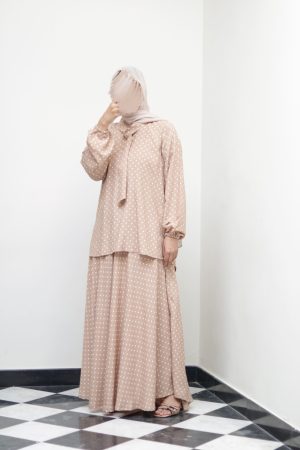
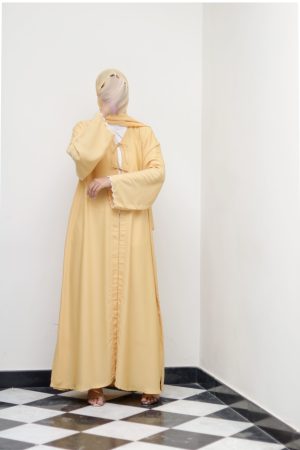
In many parts of the world, clothing serves as a reflection of cultural identity and religious beliefs. The niqab, a type of Islamic face covering, holds significant cultural and religious importance, particularly in Saudi Arabia. Understanding the history, cultural context, and modern-day relevance of the niqab provides insight into its significance for women in Saudi Arabia and beyond.
What is Niqab?
The niqab is a veil worn by some Muslim women that covers the face, leaving only the eyes visible. It is often worn in conjunction with an abaya, a loose-fitting robe that covers the body, and a hijab, which covers the hair. The choice to wear a niqab is often deeply personal and can be influenced by religious beliefs, cultural practices, and personal preferences.
History of the Niqab
Origins and Evolution

The niqab has roots in pre-Islamic cultures, where face veiling was practiced as a sign of modesty and social status. With the advent of Islam in the 7th century, the niqab and other forms of veiling became associated with Islamic principles of modesty and privacy.
Over time, the practice of wearing a niqab spread across the Islamic world, taking on different forms and significances in various regions. The niqab’s style and usage have evolved, with cultural and regional variations influencing how it is worn.
Niqab in Saudi Arabia
In Saudi Arabia, the niqab is often seen as a symbol of religious piety and cultural identity. While not all women in Saudi Arabia wear the niqab, it remains a prevalent form of attire in the country. The niqab is particularly common in conservative regions and among women who adhere to traditional interpretations of Islamic teachings.
The Role of Niqab in Saudi Culture
Religious Significance
For many women in Saudi Arabia, wearing a niqab is an expression of their religious beliefs. The niqab is seen as a way to uphold Islamic principles of modesty and privacy, aligning with the teachings of the Quran and Hadith. While the Quran does not explicitly mandate the wearing of a niqab, interpretations of religious texts vary, leading some women to choose to wear it as an act of faith.
✨ Check Out Our Latest Abayas ✨
Cultural Identity
The niqab is also deeply intertwined with Saudi cultural identity. In Saudi society, clothing is an important marker of cultural heritage and social norms. The niqab, along with the abaya and hijab, represents traditional Saudi attire and is often associated with cultural pride and adherence to societal values.
Social and Personal Dynamics

by sahil prajapati (https://unsplash.com/@imsahilpr)
Wearing a niqab can also influence social interactions and personal dynamics. For some women, the niqab offers a sense of privacy and protection, allowing them to navigate public spaces with confidence. It can also serve as a form of empowerment, enabling women to focus on their personal and professional pursuits without the pressure of societal beauty standards.
✨ Check Out Our Latest Abayas ✨
Niqab and Modern-Day Saudi Arabia
Legal and Social Changes
In recent years, Saudi Arabia has undergone significant social and legal changes, impacting the role of the niqab in society. While the niqab was once widely expected in public spaces, recent reforms have granted women more freedom to choose their attire. The decision to wear a niqab is now largely a personal choice, though cultural and familial expectations may still play a role.
Fashion and Expression
The rise of fashion-conscious consumers in Saudi Arabia has also influenced the way niqabs and abayas are designed and worn. Many women are choosing to express their personal style through colorful and embellished abayas, while still adhering to cultural norms. The emergence of top abaya brands in Saudi Arabia reflects this trend, offering a variety of styles that cater to different preferences.
Global Perceptions
The niqab often sparks debates and discussions beyond Saudi Arabia, with global perceptions varying widely. While some view it as a symbol of oppression, others see it as an expression of religious and cultural freedom. It is important to approach the topic with an open mind and respect for individual choices and cultural contexts.
Common Questions About the Niqab
Do You Have to Wear a Niqab in Saudi Arabia?
Contrary to popular belief, wearing a niqab is not mandatory in Saudi Arabia. While it remains a common practice, especially in conservative areas, the choice to wear a niqab is ultimately up to the individual. Recent reforms have allowed women more freedom in choosing their attire, although societal norms may still influence decisions.
✨ Check Out Our Latest Abayas ✨
Is the Niqab Mandatory in Saudi Arabia?
As mentioned, the niqab is not legally required in Saudi Arabia. The country’s legal framework allows women to choose their attire, though cultural expectations may vary in different regions.
Conclusion
Understanding the cultural significance of the niqab requires a nuanced perspective that considers religious beliefs, cultural identity, and individual choice. In Saudi Arabia, the niqab is more than just a piece of clothing; it is a symbol of faith, tradition, and personal expression. As Saudi society continues to evolve, the role of the niqab will likely continue to adapt, reflecting the diverse identities and aspirations of Saudi women.
By appreciating the complexity and significance of the niqab, we can foster greater understanding and respect for cultural diversity and individual choices.